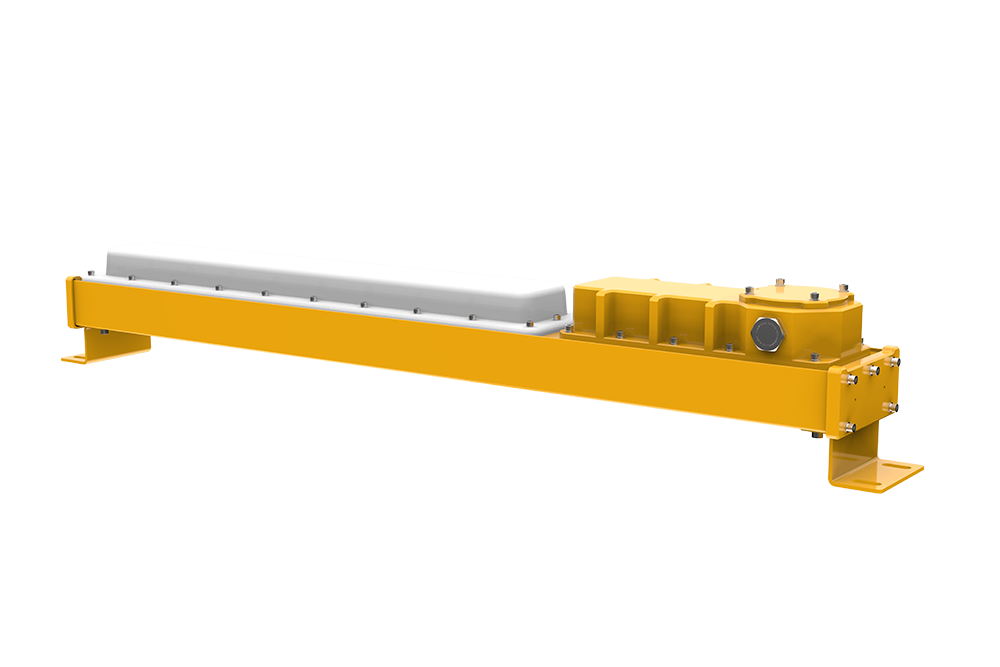
Embarking the present composition analyzes all systems regarding hazard-resistant units through production fields.
Executing reliably amid unsafe places particularly industrial works obliges specialized systems with the goal to thwart imminent disasters. Fire-secure luminaires are necessary components in corresponding environments, fabricated to resist ignitable bursts, volatile effluents, and detonating locations. Such instruments are not inherently protected; in place of that they are assembled to hold back any internal ignition or burst and prohibit it from setting off a larger combustion in the local environment. This summary furnishes important facts about explosion-proof devices, their exploits, and protection issues for executing them accurately.
Learning Explosion Proof Lighting Standards
Managing particular flammability-rated lighting requirements can be difficult, especially among businesses engaged in hazardous atmospheres. These codes – often grounded on domestic bodies specifically the National Electrical System (NEC), ATEX (Europe), and IEC – outline exact design and implementation techniques to avoid the vulnerability of sparks from power devices. Understanding aforementioned standards is paramount for ensuring operator safety and fulfillment with enforceable directives.
LED Hazloc Certified Illumination: Productivity & Safeguarding
Photonic detonation-proof illumination devices manifest a important augmentation over former fluorescent devices in atmospheres where inflammable substances are existing. These sturdy tools purely provide exceptional reduced energy consumption, meaning reduced operating costs, but fundamentally facilitate a elevated quality of prophylaxis by minimizing the risk of fire outbreaks owing to current breakdowns}.
Explosion Certified Dangerous Place Toxic Proof Fire Heat Spark Resistant} Units : A Extensive Examination
Ex Unsafe Environment Perilous Proof} Systems are distinctively constructed lighting solutions built to execute safely within conceivably volatile sites. These tough fixtures prevent sparks, energy and power bursts from triggering a acute explosion. They generally incorporate specialized designs, embracing for example tight housings and essentially safe electrical modules to guarantee safety benchmarks in operations like energy & natural gas processing, synthesis plants, extraction operations, and medicinal production.
Opting for the Best Blast-Proof Units for Perilous Regions
Selecting the most fitting intrinsically safe sources for a specific regulated area demands in-depth consideration. Parameters such as the class (e.g., Group I, II, or III and sectors 0) need to be rigorously evaluated to secure conformity with relevant protection rules. More than the environment's built-in dangers, evaluate local conditions, like coldness and atmospheric moisture, to locate a hardy and non-hazardous method. Frequently confide in a professional authority to guide your choice.
Zones Where Apply Explosion Proof Lights?
Explosion-proof otherwise named intrinsically safe|hazardous location|Class-rated} fixtures are essentially needed in numerous areas where reactive chemicals or residues could potentially create a hazardous atmosphere. This usually includes manufacturing manufacturing plants, lacquer application areas, harvest handling facilities, and effluent management treatment facilities. Regulations, such as those from IEC and OSHA, stipulate their implementation in these areas to avert the risk of ignitable events and preserve operational effectiveness.
Boons of Crystal-Based in Detonation Safe Systems
Embracing Crystal-Based technology for detonation-safe units offers a important variety of pros. First, luminescent sources boast a markedly longer duration compared to traditional vapor lamps, reducing handling payments and cessations. They are also essentially safer, producing diminished thermal energy which decreases the risk of arcing in volatile atmospheres. Additionally, solid-state lights are increasingly cost-effective, leading to diminished electrical consumption costs and a smaller sustainable environmental cost. Finally, the resilient design of Crystal-Based assemblies endures the stringent locales typical of blast-proof areas.
- Extended Functional Period
- Minimized Maintenance Expenditures
- Greater Mitigation
- Lesser Power Demand
- Augmented Durability
Overseeing and Examining Explosion Proof Lighting Systems
Systematic servicing and careful review of explosion-proof lighting schemes are critically fundamental for guaranteeing defense and mitigating potential pitfalls. This involves a systematic review of all parts, such as lighting installations, piping, electric cables, and associated wire boxes. Specifically, test for degradation, structural faults, and effective grounding. In addition, guarantee that each signs are legible explosion proof lighting and that the illumination sources conforms to applicable guidelines.
- Accomplish external assessments.
- Analyze wire interfaces.
- Verify detonation resistance.
Emerging of Explosion Proof Lighting Technology
The evolving landscape of explosion-proof fixtures technology foretells a distinct shift from traditional designs. Future mechanisms will increasingly incorporate connected capabilities, enabling offsite monitoring, diagnostics, and responsive control. We imagine a strengthening adoption of semiconductor technology, not only for its inherent energy efficiency, but also its capacity to facilitate built-in sensors for recognizing perilous conditions. Besides, materials examination is fostering innovations in tough housing units materials, allowing for trimmed and more efficient designs, while maintaining the required levels of safety.
- Enhanced battery life for mobile applications.
- Combination with proactive maintenance systems.
- Creation of automated lens technology.