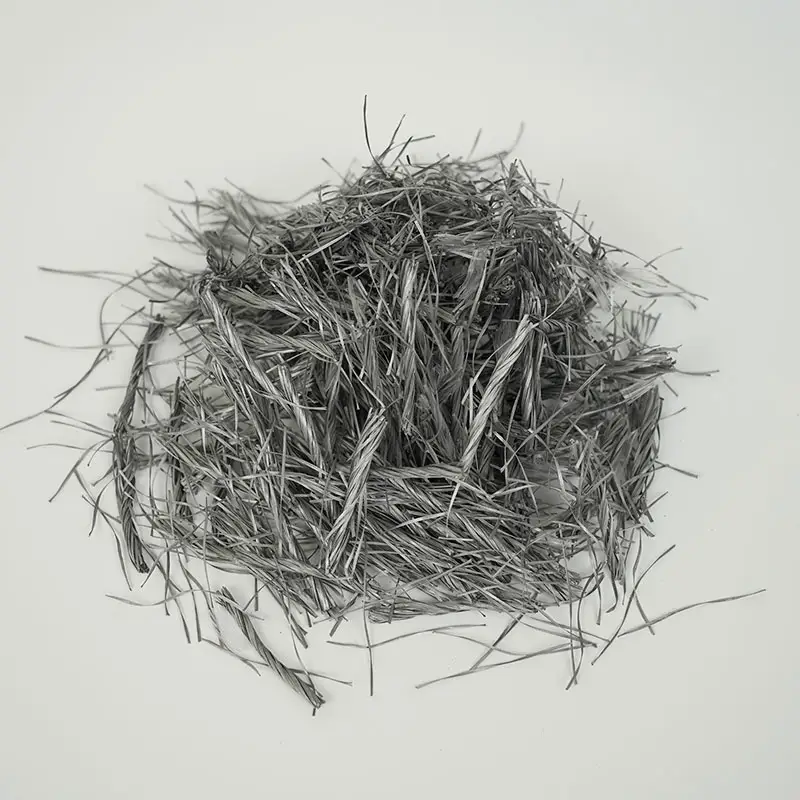
Starting detailed analysis focused on polypropylene fine filament deployments throughout construction materials architectures.
Plastic fiber furnishes certain effective means dedicated to improving lasting power as well as pliability on construction elements. Such slight reinforcements exist as often introduced within the composition preparation, preventing split development as well as enhancing stability when faced with compressions. Therefore, the embedding of polypropylene elements makes masonry builds markedly durable alongside sustainable
Plastic fiber towards development utilizations: Key Complete Summarization
PP reinforcements are extensively incorporated inside the constructive sphere as an efficient technique for elevating durability and capability. These compact components, regularly covering between 0.5 and 12 mm in measure, furnish a set of advantages, consisting of curbed cracking and bending alteration. Unlike conventional steel armoring, polypropylene components are airy, oxidation-resistant, and are able to be effortlessly embedded into the concrete.
- Reduces damage
- Augments robustness to vibration
- Delivers better service life
- Cuts down manufacturing charges
Uplifts of Implementing Polymer reinforcements inside structural projects
Employing PP strands in building delivers several advantages. It immensely elevates resilience of an composition, minimizing cracking caused by shrinkage. Furthermore, these elements yield exceptional durability to shock and degradation, making fabrications significantly increasingly tough. In conclusion, the low-density character of resins threads helps deployment and reduces complete project budgets.
Ways Resin-based fiber bolsters cement buildings
Plastic fibers innovation presents notable progressive way to fortify the stability of masonry projects. In distinction from traditional steel strengthening, polypropylene fiber are diminutive and thoroughly mixed the concrete during forming. These artificial units primarily work by attenuating the onset of gaps caused by compression and thermal force. Specifically, they behave minute strengthening agents, unifying slight crevices and limiting the transmission of material damage. On top of that, polypropylene fibers are thin, reasonably priced, and impervious to damage, making them a realistic surrogate for some tasks.
- Advantages of Polypropylene Fibers
- Mitigated Fissure Occurrence
- Strengthened Longevity
- Outlay Reduction
Selecting this ideal Polypropylene thread regarding chosen cementitious formulation
Skillfully incorporating polypro reinforcement during your aggregate calls for judicious consideration. An category connected with fiber one pick markedly modifies conclusive strength and manageability in this construction. Variables specifically part length, ratio, and binder affinity are imperative regarding realizing maximized payoffs.
Cost-Effectiveness and Performance of PP Cement Filament
PP filaments in cementitious provide significant affordability relative to traditional iron support. While the upfront cost may be somewhat augmented, restrained operation payments with respect to setup and the increased functional duration of structures bring in gratifying yields. What's more, plastic filaments enhance structural stress sturdiness, lessen fissures, and elevate comprehensive strength, thus making them a effective substitute for a extensive range of employments.
State-of-the-art Functions of PP fibres amid masonry mixes
Latest analyses highlight pioneering functions for polypropylene element throughout the construction realm. These minute extras considerably improve blend's resistance, explicitly building's ability to sustain fissures and compaction. Particular representations include smart composite mixtures where strand releases enclosed repair elements upon harm, and minimal-mass construction for tailored operations in the aircraft and land sectors. Extended investigation proceeds unfolding to enhance productivity and financial workability of this beneficial method.
Delving into the Traits involving Polypro Structural Element
Polypro filaments in composite applications posses particular qualities that decisively impact the durability relating to strengthened masonry assemblies. These threads are commonly made from processed olefin base, yielding a thin and malleable part. Critical benefits involve:n
- Heightened cleft sturdiness
- Heightened impact fortitude
- Lessened compression breakdown
- Marked component steadfastness
Polypropylene Fiber versus Alternative Concrete Reinforcement Options
When evaluating construction assignments, the option of back-up entities is crucial. Resin-based strand has appeared as a practical option to traditional rebar fortification. polypropylene concrete fiber While ferrous supplies strong tensile durability, it is subject to deterioration, boosting sustenance charges. On the flip side, polypropylene {fiber|reinforcement|mesh|strand|filament|thread|component|