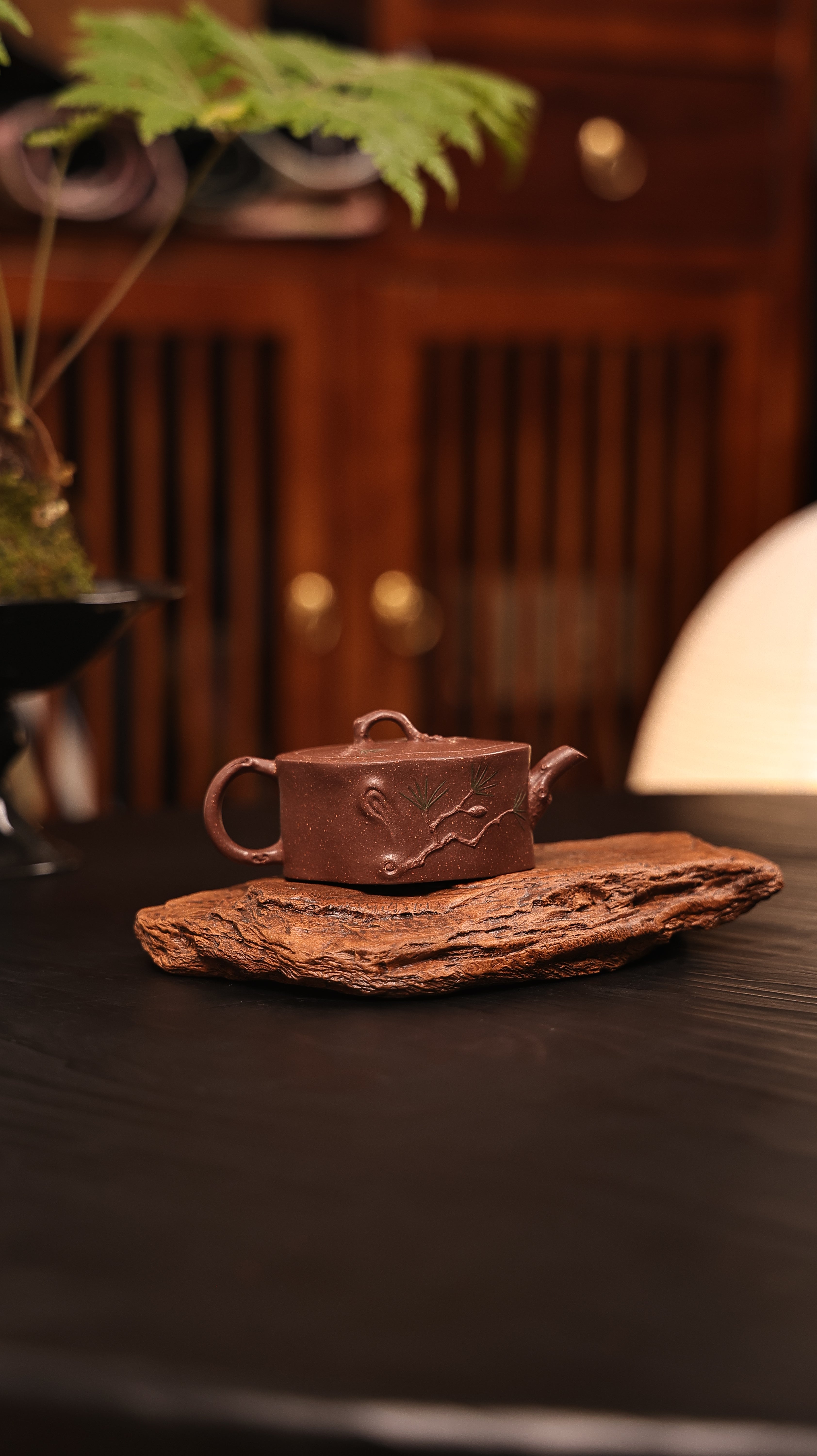
Kicking off this extensive survey pertaining to Issing Zisha earthenware pots showcases distinct absorbing synthesis encompassing dexterity in conjunction with serviceability.
Yihsing Tzu-sha clay vessels harbor exclusive peerless enticement concerning devotees all over the world. Particular exceptional porcelain containers, coming from the unique Ihsing area in Jiangsu zone, China, constitute more than just tea utensils; they stand as works art beauty and cultural significance. The finely screened clay, known designated as Zisha, imparts a mild flavor within the tea, and the intricate designs, often casting traditional Chinese elements, enhance their intrinsic value. Possessing a genuine Yixing Zisha teapot presents a gratifying journey, demanding careful inspection and an cognizance of the different factors influencing the uncommonness.
Examining Yixing Clay Pots
Issing ceramic containers boast a fascinating record deeply interwoven with Chinese customs. Originating in Yixing, Jiangsu province, these pitchers are crafted from a unique, porous purple soil found only in that notable location. Their origins began during the Ming era, with master sculptors refining the approaches over centuries. Distinct types are found, including the classic Hexiang (resembling crab shells), Zhuni (red-brown hue), and Duan Ni (stone-studded) – each with distinctive qualities. The Yixing Teapot price of an Yixing tea container isn't solely based on its size or design, but also on the craftsman’s reputation, the substance's quality, and the vessel’s age and condition. Curators often seek out older examples, believing they collect the bouquet of the brew brewed within them over time, further adding to their prominence.- Traditional Tea Containers
- Russet Tea Containers
- Pebble-Embedded Brewing Vessels
Zisha Teapot Mastery: Skill & Styles
Such assembly of Zisha teapots represents a pinnacle of Chinese ceramic mastery. Master artisans employ time-honored techniques, often passed down through offspring, to unlock the full beauty of this unique clay. Procedures involve meticulous designing by hand, often combined with the building method, followed by precise curing at incredibly high temperatures in wood-fired kilns. Ornamenting is equally crucial; designers utilize natural clay colors and may incorporate engraving work to depict intricate scenes or patterns, demonstrating a profound awareness of the material’s properties and vitality. The product teapot isn't merely a vessel for tea, but a testament to a valuable cultural heritage.
A Earthenware: An Guide to Ising Zi-sha
Exploring the world of a teapots regularly originates with Yixing Zisha. These rare clay vessels are produced from a distinct type of clay harvested only in the Yixing region of the Jiangsu locale province. Famous for its remarkable reddish-purple hue and exquisite aspects, Zisha clay delivers a mild flavor to the tea and enhances with age, turning into a cherished gem. Amassing Yixing Zisha earthenware is more than just acquiring a elegant object; it’s a celebration of heritage and craftsmanship.
Considering this Clay Pottery: Validity & Enhancement
Investigating the sphere of Yixing Zisha containers can be highly worthwhile, but involves a discerning insight. Sincerity is fundamental; various forgeries are found, regularly skillfully created. Acquiring knowledge about historical kiln techniques, distinctive dirt particulars, and the symbols of distinguished craftsmen is utterly necessary. Furthermore, realizing the particulars of the rise pattern – influenced by elements such as historical value and the form of the artifact – is essential to rewarding purchasing.
- Analyzing firing record.
- Turning to professionals for verification.
- Estimating trading trends.
Unique Technique of Making with a Zisha Container
Such exclusive allure of a Zisha tool lies not just in its stunning appearance, but also in its profound impact on the bouquet of the infusion. These antique clay earthen vessels, sourced from specific regions of China, possess a native porosity that gradually interacts with the drink and leaves, imbuing the beverage with a delicate character. Mastering the practice requires a mindful approach, understanding how the earth responds to diverse heating regimes and foliage types, ultimately leading to a unquestionably rewarding drinking ceremony.
Conserving Your Artifact
Proper care of your Yixing container is essential to protecting its longevity. These exceptional teapots, crafted from exclusive Yixing clay, form a finish over decades that raises their worth. Often rinse the interior with fresh water, avoiding abrasive liquids, and never use strong scrubbing tools. Infrequent gentle wiping with a fine cloth can promote in eliminating blemishes. Allow your carafe to thoroughly dry following each steeping
Understanding Earthenware: Secrets Those Earthenware Illustrate Special
The noted appeal of Yixing teapots starts from the unique properties of Clay clay, harvested solely near Yixing, China. This outstanding clay, classified as ferruginous mud , possesses a unusual combination of ingredients that, after aging, receive the flavor of the infusions it retains. This causes a distinctive flavor profile for each kettle, giving it a rate far transcending its baseline price and assisting to their highly prized status among gatherers.
Unearthing the Fitting Chinese Ceramic Vessel: A Purple Clay Introduction
Venturing into the world of Yixing clay teapots can feel challenging, but understanding the foundations is essential to acquiring a esteemed piece. This variety of clay, sourced largely from the environs of Yixing, Jiangsu, is renowned for its unique porosity and ability to improve the flavor of the tea over stretch. Appraise the outline, the brightness, and the artistry; a bona fide Zisha teapot is more than just a urn; it's a decorative object and a manifestation of eastern culture. Inspect the inscription of the maker for clues to its provenance and potential value.