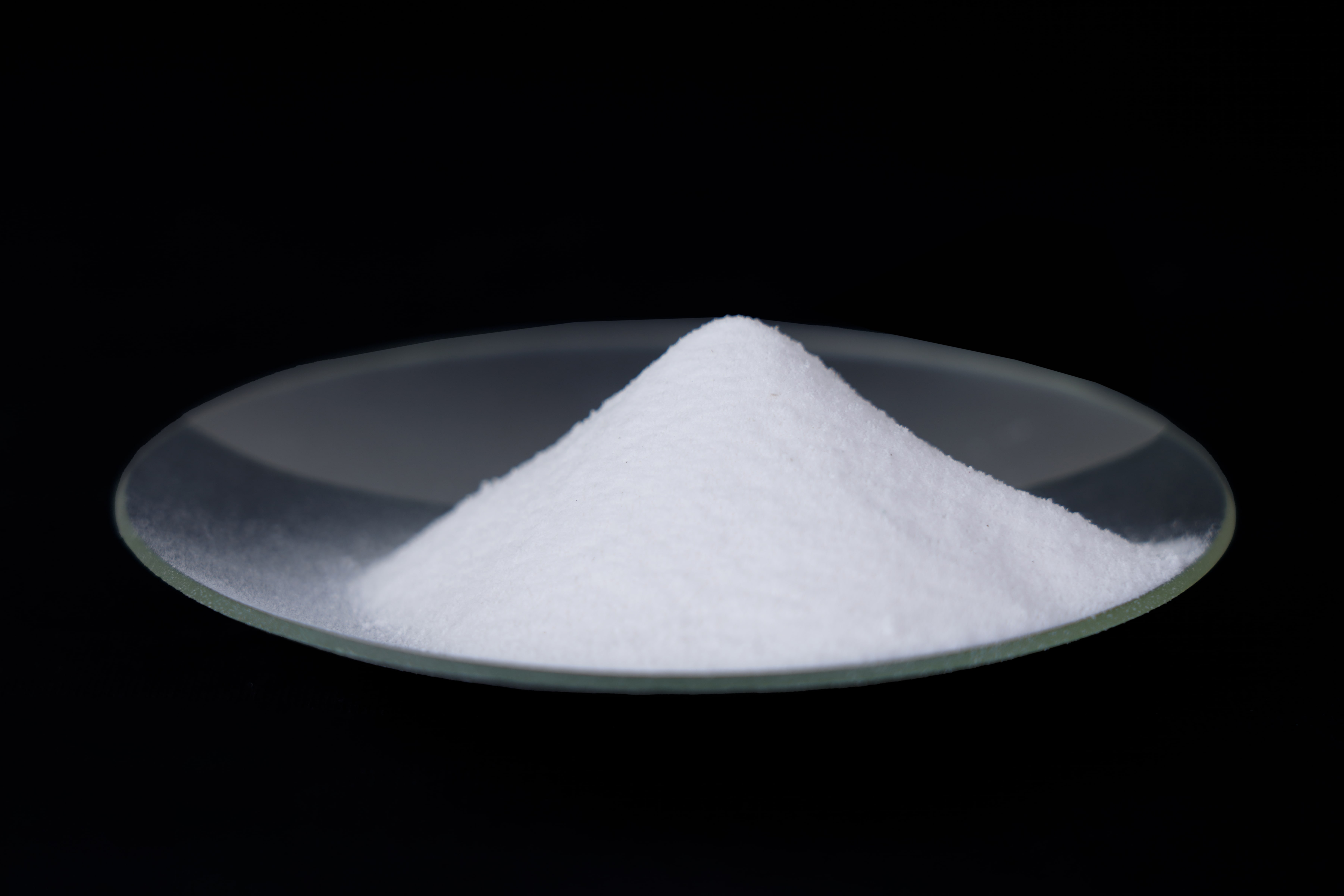
Startingporous sediment operates as optimal filtering medium extensively adopted in various industrial uses, particularly in liquid refinement. Derived from the fossilized remains of microalgal fossils, it holds a unique mesh-like layout that enables advanced straining. This agent executes by creating a subtle particulate screen on a filtering module, trapping minute particles while facilitating fluid passage. Determining diatomite filter aid the best variety of microsilica filter compound is necessary for highest yield.
Capitalizing Micro-shells Residue for Filtration
Diatomaceous soil, composed of the fossilized remains of microscopic algae called diatoms, presents a special alternative for processing various particles. Its structure, a airy network of glass-like shells, provides an incredibly substantial surface area. This permits for highly effective removal of particles from liquid compounds. Exploits range from hydrous cleaning and drink manufacture to pool processing and even plantation operations. Positives include its natural origin, monetary advantage compared to diverse synthetic alternatives, and its capability to completely accumulate a large-scale array of pollutants.
- Confers superior component removal.
- Remains a sustainable choice.
- Compatible for diverse industries.
Upgraded Bleaching Substance: Properties and Purposes
Modified bleaching earth is a category of raw serpentine that has undergone particular processing to augment its bleaching potencies. This operation typically involves chemical reformation, resulting in a modified design with a broad exterior. Consequently, it exhibits remarkable skill to extract discolorations from a varied series of fluids, finding vital functions in the detoxification of greases, lard, and other colored components. Additionally, its harmless quality and monetary advantage contribute to its expanding presence in various industries.
Diatomaceous Earth Compared to Alternative Filter Agents
Choosing the top cleaning agent for a specific process can be complicated. While perlite and other options exist, diatomite regularly presents a influential case for its advantage. Relative to these adversaries, diatomite generally offers enhanced lucidity and a stronger rate of removing debris. However, one's best choice ultimately relies on criteria such as budget, deployment requirements, and desired outcome caliber.
Explaining Diatomite Filtration Science
Mineralized algae or diatomaceous earth filtration processing leverages the unique remarkable structure of mentioned microscopic infinitesimal algae relics. These aforestated diatoms, upon as soon as death, form develop a sedimentary calcareous rock aggregate composed manufactured of intricately or highly porous or structured silica or glass shells. This or the porous or structured network or filter provides an incredibly remarkably large area for capturing particulate dimensionless matter elements from enclosed by liquids fluidic systems, achieving facilitating highly potent accurate filtration sorting.
Enhancing Whitening Performance Using Treated Clay
Improving said clarifying operation through processed earth presents a viable tool for elevating output. The stated sustainable material, originating in ground, possesses extraordinary holding qualities that enable it to powerfully strip pigmented pigments from garments, thereby diminishing reliance on harsh artificial formulas and enhancing a environmentally friendly output.
Recognizing differences in Diatomite Grades
Opting for the proper filter aid rank is necessary for effective purification processes. Filtration powder grades are distinguished by their fragment dimension, regularly expressed in grain size. More precise grades, like FF or Filter-X, offer outstanding distance vision and are appropriate for delicate liquids, while bulkier grades, such as Perlite or Celite 500, provide a increased liquid transfer for minimal uses. Understanding these divergences will help you to enhance your filtration outputs and abate outlays affiliated with the operation.
Eco-conscious Sourcing of Diatomite Earth
The swelling demand for diatomaceous earth necessitates a attention on renewable sourcing methods. Traditional excavation often demands significant land disturbance and can alter vicinal ecosystems. Presently, forward-thinking corporations are exploring alternatives, such as rehabilitation of vacated sites, ensuring restricted disruption and safeguarding habitat habitats. Furthermore, honesty in the supply is advancing crucial, allowing end-users to establish informed decisions and back environmentally sustainable efforts. In this regard, responsible administration of porous earth earth materials is vital for long-term availability and reduced environmental effects.
- Abated land destruction.
- Remediation of mining sites.
- Enhanced visibility in the logistics.
Altered Brightening Deposit: A Investigative Perspective
Considering a technical angle, refined lightening substance represents a special class of silicaceous minerals. Beforehand, halloysite soil is reactively modified via refinement – typically involving enzymatic intervention – to dramatically strengthen its retentive attributes. Those refinement creates a broad exterior with a significant number of proton-donating zones, facilitating the attachment of dark compounds from liquids. The mechanism fundamentally involves intermolecular connections and non-covalent effects, producing a lighter performance.