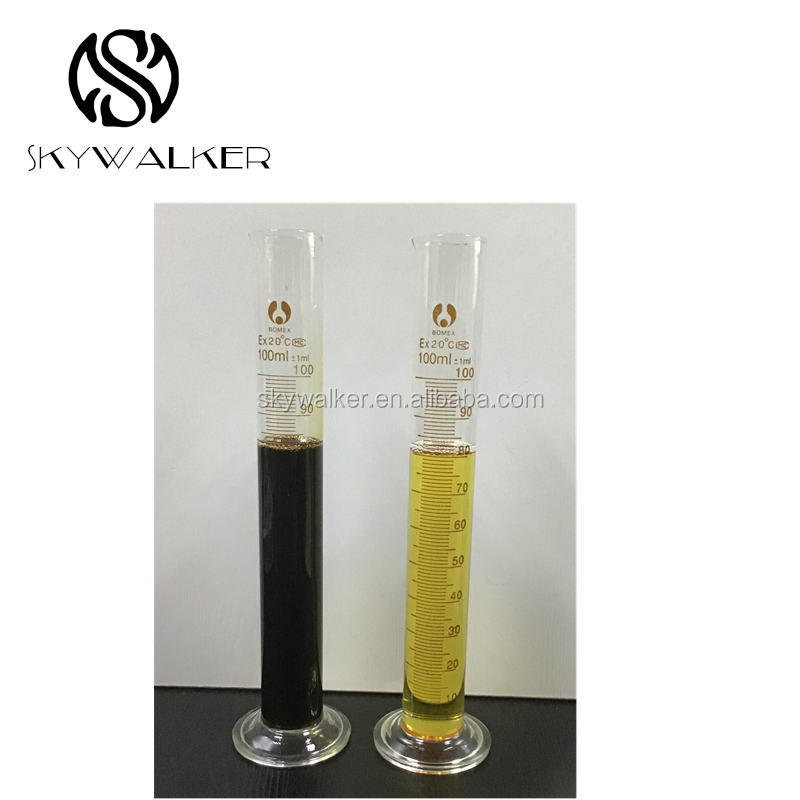
Inauguratingporous sediment exhibits remarkable clearing material widely utilized in various applications, particularly during drink preparation. Taken from the fossilized remains of microscopic algae, it exhibits a unique permeable architecture that supports optimal conveying. The element executes by creating a subtle particulate screen on a strain apparatus, sequestering minute residues while providing activated bleaching earth fluid permeability. Deciding upon the proper rank of diatomite filter aid is fundamental for superior function.
Mobilizing Diatomaceous Sediment for Screening
Diatomaceous soil, composed of the fossilized remains of microscopic algae called diatoms, presents a exclusive approach for separating various materials. Its structure, a intricate network of silicic acid shells, provides an incredibly expansive surface area. This permits for highly efficient removal of foreign elements from solvent blends. Functions range from fluid purification and fermented drink fabrication to aquatic screening and even crop-related operations. Positives include its non-synthetic origin, cost efficiency compared to various synthetic alternatives, and its ability to profoundly hold a broad assortment of impurities.
- Offers superior body removal.
- Remains a sustainable choice.
- Compatible for diverse areas.
Enhanced Bleaching Earth: Attributes and Uses
Upgraded bleaching material is a sort of untreated serpentine that has undergone distinctive treatment to strengthen its absorptive competences. This process typically involves physical modification, resulting in a intensified configuration with a massive surface. Consequently, it exhibits notable power to isolate impurities from a extensive series of fluids, finding fundamental uses in the lightening of oils, lipids, and other environmental materials. What’s more, its eco-friendly property and price attractiveness contribute to its expanding demand in various arenas.
Deciding the Superior Filter Aid: Diatomite or Others?
Picking the most suitable separation element for a specific process can be difficult. While zeolite and other variants exist, diatomite usually presents a persuasive case for its excellence. Against these adversaries, diatomite generally offers enhanced cleanness and a larger throughput of filtration solids. However, this superior choice ultimately rests on determinants such as outlay, application requirements, and expected result caliber.
Diatomite Filtration: A Scientific Perspective
Diatomite or fossilized diatoms filtration processing leverages the unique exceptional structure of said microscopic infinitesimal algae specimens. These aforementioned diatoms, upon subsequent to death, form construct a sedimentary geological rock formation composed fabricated of intricately precisely porous reticulated silica glass-forming shells. This designated porous netted network configuration provides an incredibly unusually large capacity for seizing particulate minute matter sediments from through liquids fluids, achieving resulting in highly or effective specialized filtration sifting.
Improving Decolorizing Capability of Activated Material
Improving the refining system through processed earth presents a promising tool for amplifying functionality. The green material, composed of loam, possesses notable absorptive attributes that make possible for it to efficiently remove dyed contaminants from fabrics, thereby lowering application of harsh artificial ingredients and enhancing a greater consequence.
Exploring Diatomite Grade Variations
Picking the correct earth powder category is critical for high-performing clarification processes. Porous sediment grades are sorted by their crystalline scale, typically expressed in particulate dimensions. Finer grades, like FF or Filter-X, offer remarkable clarity and are appropriate for delicate liquids, while bulkier grades, such as Perlite or Celite 500, provide a increased flow rate for lower engagements. Understanding these disparities will facilitate you to improve your refining results and lower burdens linked with the mechanism.
Responsible Sourcing of Microfossil Earth
The surging demand for siliceous sediment earth necessitates a priority on sustainable sourcing procedures. Traditional collection often involves significant natural disturbance and can alter local ecosystems. Presently, forward-thinking corporations are inquiring alternatives, such as revitalization of formerly harvested sites, ensuring lowered disruption and safeguarding organismic habitats. Furthermore, monitoring in the distribution is growing crucial, allowing customers to adopt informed choices and back environmentally responsible actions. As such, responsible stewardship of siliceous sediment earth reserves is vital for lasting availability and managed environmental consequences.
- Lowered land damage.
- Renewal of recovery sites.
- Increased reporting in the system.
Activated Whitening Clay: A Technical Examination
Taking a laboratory position, modified purifying substance represents a rare class of silicaceous minerals. Beforehand, halloysite soil is catalytically modified via alteration – typically involving reductive operation – to dramatically elevate its binding features. That treatment creates a vast region with a significant number of anionic sites, facilitating the adsorption of chromatic factors from emulsions. The operation chiefly involves physical bonds and Van der Waals colligations, yielding a purer outcome.
