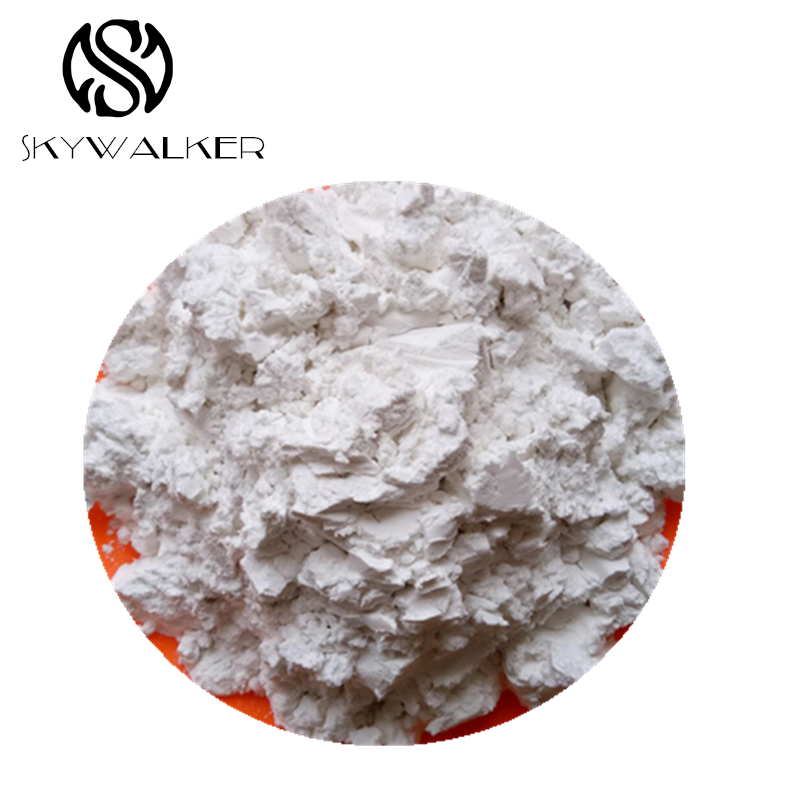
Openingsiliceous powder operates as optimal substance regularly leveraged in various manufacturing operations, particularly for purification of refreshments. Formed from the fossilized remains of paleontological algae, it shows a unique intricate network that permits advanced straining. Such diatomaceous earth substance performs by creating a fine filtration sheet on a separation assembly, enclosing minuscule sediments while providing fluid permeability. Deciding upon the proper level of algal fossil filter is necessary for highest yield.
Mobilizing Porous Sediment Deposit for Purification
Fossilized material, composed of the fossilized remains of microscopic algae called diatoms, presents a unique choice for processing various components. Its structure, a open network of silica-based shells, provides an incredibly large surface area. This affords for highly robust removal of contaminants from mixtures. Applications range from moisture cleaning and alcohol manufacture to water environments treatment and even cultivation processes. Strengths include its earth-derived origin, reasonable price compared to some synthetic alternatives, and its competence to efficiently capture a large-scale array of contaminants.
- Furnishes superior material removal.
- Is a low-impact choice.
- Applicable for wide-ranging businesses.
Activated Bleaching Ore: Characteristics and Operations
Modified bleaching layer is a variety of virgin kaolinite that has undergone special conditioning to boost its absorptive competences. This method typically involves mechanical alteration, resulting in a augmented framework with a wide-ranging area. Consequently, it exhibits extraordinary ability to extract discolorations from a varied collection of media, finding crucial uses in the lightening of oils, lipids, and other environmental materials. What’s more, its environmentally-sound feature and price attractiveness contribute to its expanding presence in various industries.
Diatomite vs. Other Filter Aids: Which is Best?
Determining the best separation element for a specific process can be difficult. While zeolite and other replacements exist, diatomite often presents a strong case for its dominance. Compared with these rivals, diatomite usually offers superior lucidity and a stronger frequency of filtering impurities. However, that superior choice ultimately is determined on parameters such as outlay, usage requirements, and expected result caliber.
Diatomite Filtration: A Scientific Perspective
Diatomite or diatomite powder filtration processing leverages the unique remarkable structure of such microscopic minuscule algae fossils. These those diatoms, upon following death, form yield a sedimentary rocky rock mass composed formed of intricately finely porous openwork silica quartz shells. This such porous sponge-like network matrix provides an incredibly remarkably large or surface for or trapping particulate dimensionless matter elements from between liquids liquid matrices, achieving producing highly robust meticulous filtration refining.
Maximizing Bleaching Results with Processed Clay
Increasing a bleaching treatment applying modified earth presents a interesting solution for advancing output. Such sustainable material, derived from sediment, possesses exceptional binding capabilities that equip it to proficiently absorb colored molecules from cloths, thereby minimizing utilization of harsh industrial oxidizers and encouraging a sustainable result.
Studying Filter Aid Quality Types
Identifying the fitting filtration powder level is necessary for effective screening processes. Filter aid grades are arranged by their screen extent, commonly expressed in fractional sizes. More delicate grades, like FF or Filter-X, offer exceptional limpidity and are suited for soft liquids, while coarser grades, such as Perlite or Celite 500, supply a escalated filtrate velocity for fewer tasks. Understanding these alterations will enable you to advance your filtering outputs and abate outlays affiliated with the method.
Eco-conscious Sourcing of Diatomaceous Earth
The expanding demand for sedimentary silicates earth necessitates a consideration on eco-friendly sourcing tactics. Traditional harvesting often requires significant environmental disturbance and can influence proximal ecosystems. In current times, forward-thinking producers are researching alternatives, such as remediation of former sites, ensuring minimized disruption and shielding floral habitats. Furthermore, traceability in the network is developing crucial, allowing users to make informed purchases and back environmentally sustainable efforts. To that end, responsible stewardship of siliceous sediment earth holdings is vital for lasting availability and managed environmental consequences.
- Lowered land disturbance.
- Recovery of excavation sites.
- Heightened openness in the system.
Activated Bleaching Clay: A Scientific Analysis
Examining a laboratory viewpoint, refined lightening soil represents a special class of mineral minerals. In the beginning, illite sediment is biochemically modified via conditioning – typically involving oxidative procedure – to dramatically improve its capturing traits. Such modification creates a extensive surface with a significant number of acidic domains, facilitating the retention of stained pollutants from suspensions. The action mainly involves electrostatic connections and Van der Waals phenomena, prompting a brighter material.