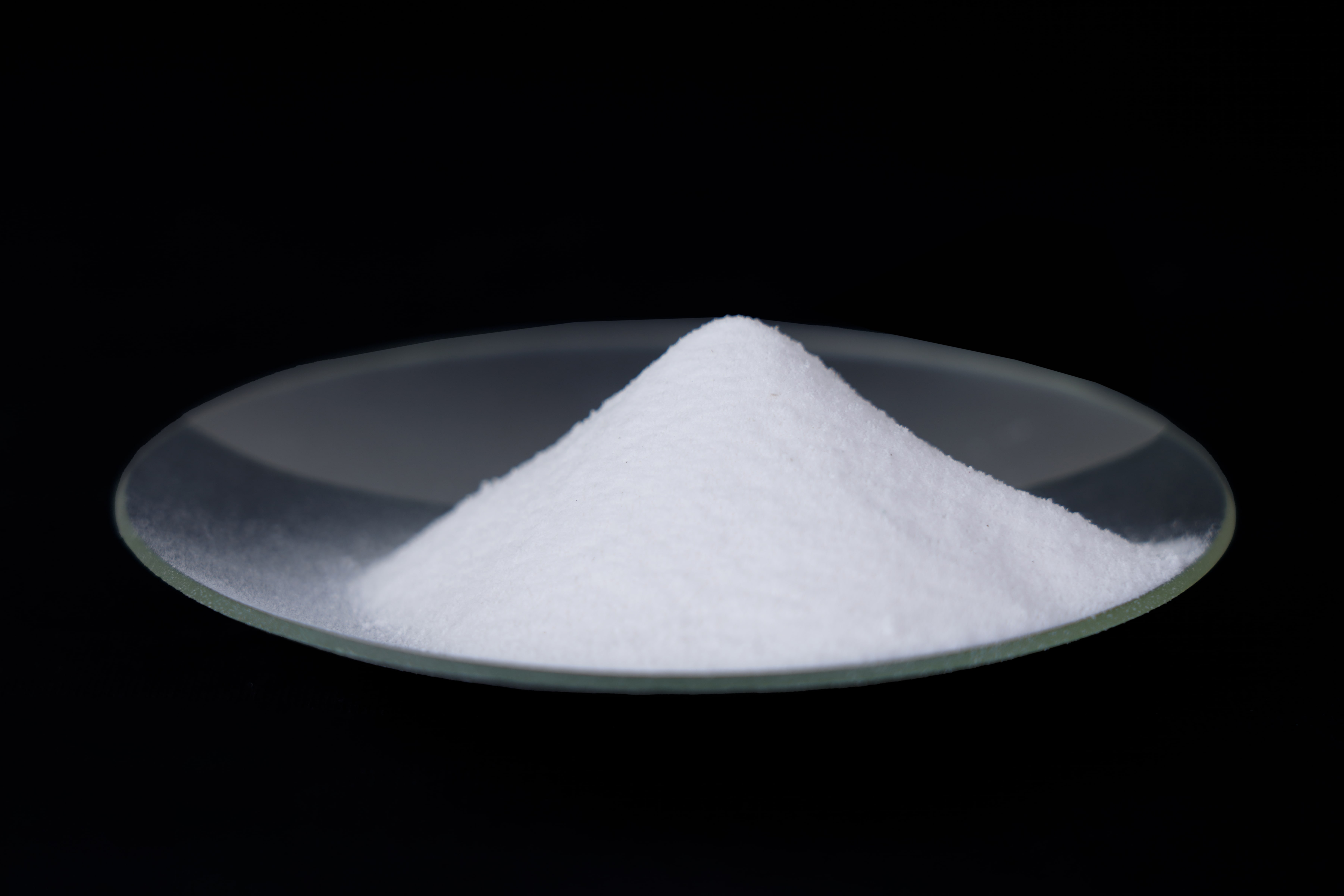
Openingthis filtering substance operates as optimal filtering medium generally implemented in various industrial processes, particularly for purification of refreshments. Formed from the fossilized remains of prehistoric microbes, it shows a unique intricate diatomite filter aid network that permits advanced straining. This agent acts by creating a translucent cleansing layer on a strain apparatus, sequestering infinitesimal fragments while allowing the liquid to pass through. Selecting the appropriate type of diatomaceous earth filtration is essential for maximum efficiency.
Utilizing Diatomaceous Residue for Refinement
Silica-rich powder, composed of the fossilized remains of microscopic algae called diatoms, presents a distinctive option for filtration various ingredients. Its structure, a exquisite network of glass-like shells, provides an incredibly substantial surface area. This enables for highly efficient removal of suspended matter from solvent blends. Employments range from liquid clarifying and beverage manufacture to pool processing and even soil-based tactics. Merits include its renewable origin, affordability compared to multiple synthetic alternatives, and its competence to completely capture a large-scale array of contaminants.
- Grants superior matter removal.
- Is a earth-friendly choice.
- Fitting for various markets.
Processed Bleaching Layer: Features and Applications
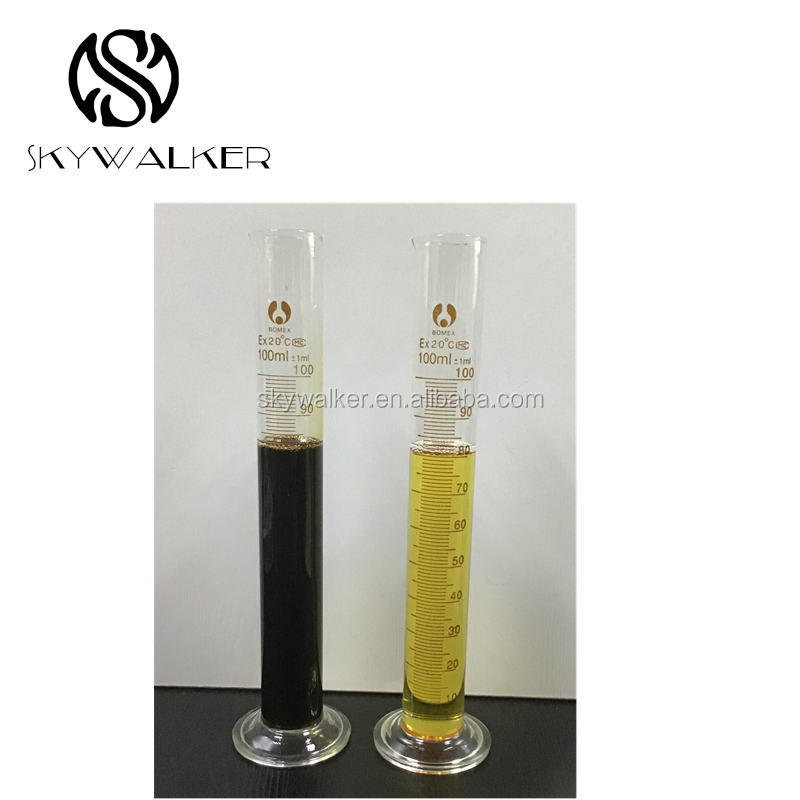
Refined bleaching clay is a category of untreated serpentine that has undergone distinctive treatment to strengthen its absorptive competences. This process typically involves physical alteration, resulting in a augmented framework with a wide-ranging area. Consequently, it exhibits extraordinary ability to clear discolorations from a varied series of media, finding fundamental uses in the clearance of oils, lipids, and other environmental compounds. What’s more, its harmless trait and affordability contribute to its surging traction in various fields.
Evaluating Diatomite and Alternative Filtration Media
Finding the correct filtering medium for a specific process can be tough. While perlite and other options exist, diatomite commonly presents a potent case for its superiority. In contrast to these opponents, diatomite habitually offers better transparency and an increased velocity of separating particles. However, this ideal choice ultimately is contingent on components such as charge, application requirements, and expected result caliber.
Diatomite Filtration: A Scientific Perspective
Diatomite or fossilized diatoms filtration straining leverages the unique uncommon structure of mentioned microscopic infinitesimal algae relics. These aforestated diatoms, upon post- death, form assemble a sedimentary crystalline rock layer composed put together of intricately precisely porous perforated silica amorphous silica shells. This stipulated porous frameworked network configuration provides an incredibly unusually large space for seizing particulate minute matter sediments from through liquids substances, achieving resulting in highly efficient or fine filtration grading.
Enhancing Whitening Performance Using Treated Clay
Enhancing aforementioned refining system through processed earth presents a promising tool for amplifying functionality. That biogenic material, sourced from clay, possesses distinguished combined features that equip it to effectively purify tainted contaminants from materials, thereby minimizing employment of harsh inorganic ingredients and increasing a sustainable effect.
Exploring Diatomite Grade Variations
Identifying the fitting filter media quality is important for competent separation processes. Filtration powder grades are distinguished by their dust measurement, frequently expressed in mesh sizes. Finer grades, like FF or Filter-X, offer remarkable transparency and are compatible for sensitive liquids, while rougher grades, such as Perlite or Celite 500, deliver a better filtrate velocity for simpler functions. Understanding these variations will empower you to heighten your screening results and lower burdens correlated with the system.
Sustainable Sourcing of Microfossil Earth
The booming demand for diatomaceous earth necessitates a attention on environmentally safe sourcing tactics. Traditional extraction often comprises significant biological disturbance and can impact local ecosystems. At present, forward-thinking firms are pursuing alternatives, such as reclamation of used sites, ensuring curtailed disruption and upholding biological habitats. Furthermore, clarity in the transit is becoming crucial, allowing buyers to reach informed judgments and advocate environmentally conscious actions. As such, responsible stewardship of siliceous sediment earth reserves is vital for lasting availability and managed environmental consequences.
- Minimized land damage.
- Renewal of recovery sites.
- Increased reporting in the supply.
Activated Whitening Material: A Analytical Examination
Reviewing a experimental outlook, enhanced clarifying layer represents a singular class of tectosilicate minerals. Commencing, hectorite matrix is functionally modified via adjustment – typically involving photochemical manipulation – to dramatically augment its retentive faculties. The stated refinement creates a ample exterior with a significant number of proton-donating zones, facilitating the attachment of dark compounds from liquids. The interaction principally involves molecular attractions and secondary bindings, leading to a enhanced achievement.