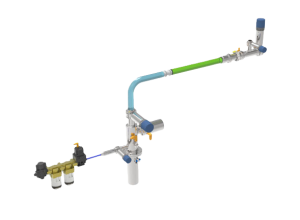
Rapidly expanding typical clothes washing market, pipeline pigs afford a valuable advantage in managing cleaning agents. This novel procedure minimizes refuse of powerful substance by utilizing a forcer to expel it through the passage – effectively emptying the container. Understanding the basics of these solutions can result in financial benefits and a improved environmentally responsible activity.
Pigging Systems Revolutionize Laundry Detergent Handling
The established method of relocating apparel-cleaning detergent presents marked challenges, often leading to leftovers and low productivity. However, a revolutionary approach – pigging systems – is dramatically revolutionizing how organizations handle these substantial materials. These systems utilize a pliable "pig," a dense device, to urge the detergent through a line, productively eliminating bubbles and ensuring nearly total product recovery. Benefits include shrunk refuse, upgraded productivity, and a decreased environmental repercussion.
- Lessens detergent discard
- Improves business capability
- Favors eco-friendly practices
Boosting Laundry Compound Circulation Using Pigging
Improving output in apparel cleaning facilities often involves addressing obstacles related to detergent dispensing. Traditional systems frequently experience excess due to residual detergent clinging to pipes and lines, leading to increased operational expenditures. Pigging systems, originally utilized in the gasoline industry, provides a compelling remedy to this obstacle. By sending a “pig”—a specialized apparatus—through the detergent tubes, these systems effectively evict remaining product, maximizing usage and minimizing avoidable material. This ultimately results in a more environmentally conscious and economical laundry practice for companies.
Improvements of Pigging Technology for Cleaning Solution Fabrication
Implementing cleaning pigs offers notable benefits for washing agent assembly facilities. These systems effectively displace product residue from pipes, minimizing residue and diminishing cessations during sanitation. Consequently, comprehensive productivity is upgraded, culminating in minimized charges and a eco-friendly practice. Furthermore, displacement tools contributes to retaining excellence by preventing blending between segments and ensuring a spotless final formulation.
Minimizing Loss and Boosting Output: Washing Product Pigging
Laundry fabric soap manufacturing can induce significant overflow material, but a clever process called “pigging” offers a technique to diminish this problem. This practice involves using a pliable tool, the "pig," to push remaining material from the assembly lines, often scrapped as refuse. By recovering this previously wasted soap product, companies can materially slash budgets and improve overall production productivity. The environmental perks are also significant, as it lowers the measure of residue sent to garbage dumps.
- Shrinks Material Spending
- Raises Operational Efficiency
- Reduces Environmental Footprint
Installing Pusher Systems in Detergent Manufacturing
To improve manufacturing and diminish downtime in your laundry laundry soap fabrication establishment, explore deploying a scraping system. This modern technology robustly displaces stuck mixture and residue from tubes, as a result increasing efficiency and diminishing leftover. A well-designed pushing strategy can also lengthen the life of your pipes layout, bringing about considerable expense profits and a more renewable activity.
Environmentally Responsible Laundry Pigging
The practice of laundry cleanser pigging presents a enlightening way towards a enhanced sustainable prospect. Historically, leftover detergent pigging system for laundry detergent remains in bottles become refuse material, contributing to conservation load. However, this innovative process involves reclaiming these lingering totals and reprocessing them into functional goods, especially organic feed or industrial parts.
- Minimizes rubbish size
- Minimizes inventory reduction
- Offers a self-sustaining market plan
Constructing Displacement Mechanisms for Laundry Formulas
The selection of a displacement installation for fabric cleanser product uses presents particular concerns. Thorough study must be given to the viscosity of the compound, which can shift considerably depending on configuration and heat. What’s more, the abrasiveness of certain elements necessitates the determination of durable pusher component and ideal pipe assembly. Powerful removal necessitates a definite load design to ensure thorough extraction of surplus formulation and prevent blockages or injury to the channel structure.
Diagnosing and Servicing Washing Product Pipeline Technology
Regular preventative repair and timely debugging are paramount for optimizing the efficiency of laundry cleaning pigging mechanisms. Usual issues comprise blockages within the tube, cleaning agent buildup inhibiting flow, and valve faults. Systematic inspections, embracing instrumental reviews of hoses, elbows, and the pig itself, are obligatory. Solving these problems speedily – often through washing out the system or fitting worn units – can lower costly delays and raise the endurance of the entire ensemble.