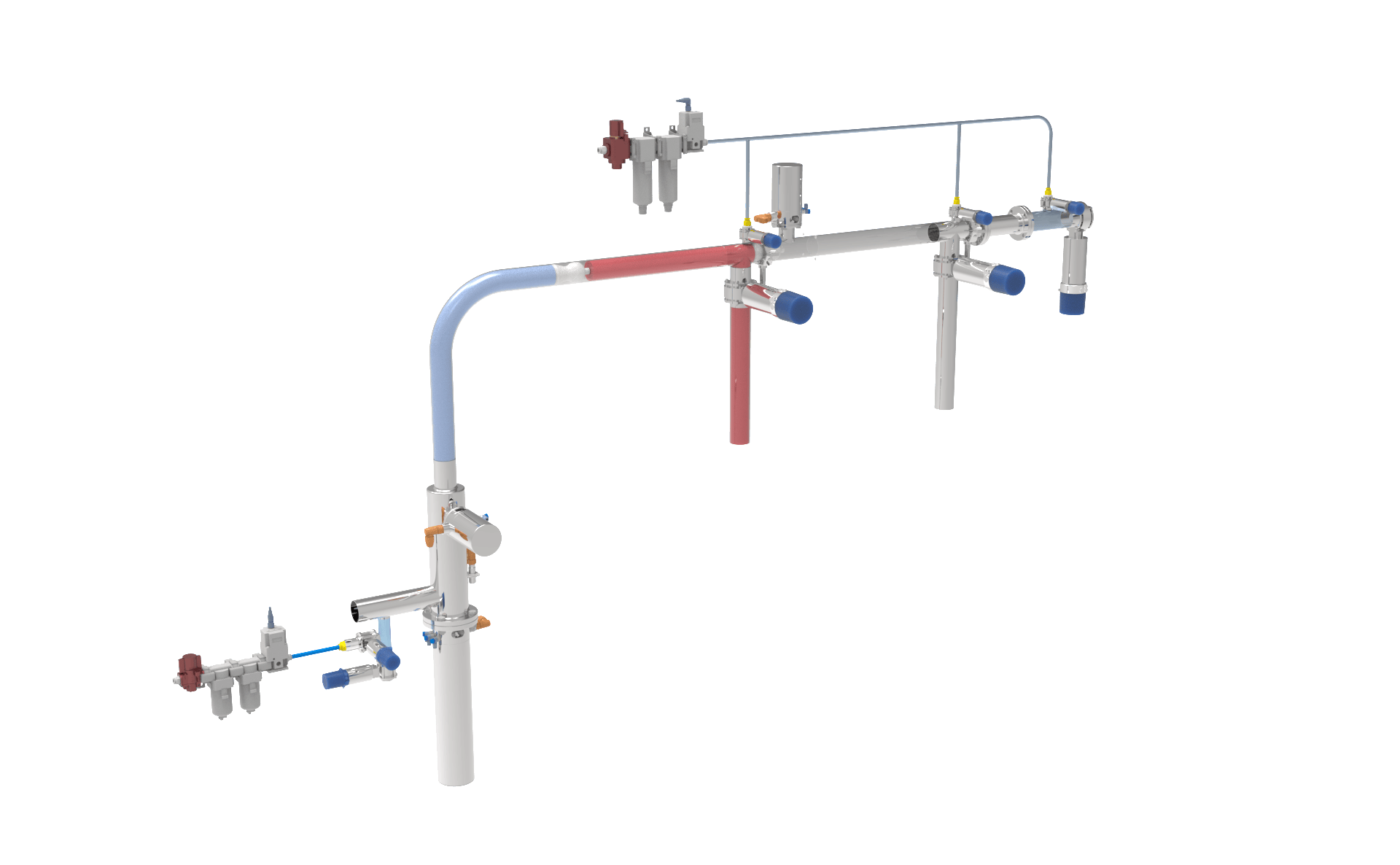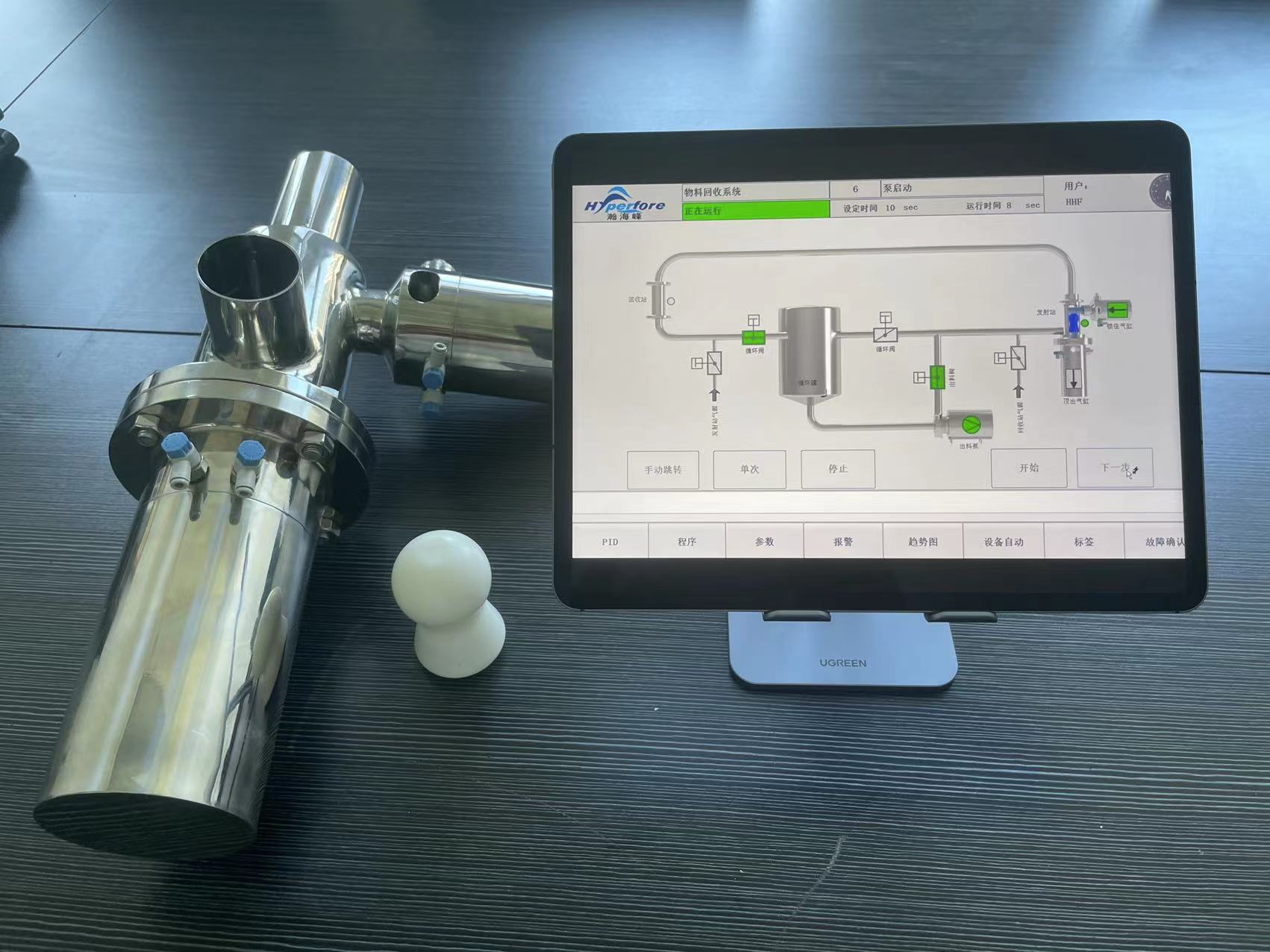
Founding an inclusive inspection relating to conduit cleaning techniques highlights the respective vital position in sustaining conduit strength within countless technical usage.
Flowline scraping employs state-of-the-art mechanisms known as projectiles that move through tubes, pushed by flows, to remove contaminants such as wax. This activity maintains passage efficiency and minimizes stoppages.
Refining Pipeline Efficiency with Pigging Approaches
Sustaining superior conduit efficiency is paramount for curtailing latency and increasing overall income. The pigging process presents a forceful approach to eliminate residues such as hydration and detritus, which obstruct fluid flow. By adopting leading-edge pigging methods, technicians can materially enhance duct robustness and reduce upkeep charges. Over and above, this preventative maintenance strategy aids eco-friendly guardianship by suppressing material depletion.
Enhancements in Pigging Solutions and The Applications
Conduit cleaning techniques have benefited from remarkable evolutions recently, broadening their domains across hundreds of industries. Initially designed for conduit cleaning, pigging currently delivers an array of approaches for state evaluation, pressure diagnosis, and even below-ground review of systems. Up-to-date developments embrace intelligent pigging that takes advantage of advanced sensors and data analysis to offer a more detailed appraisal of pipeline condition. Specific exercises are apparent in mineral and methane conveyance, urban delivery schemes, and even engineering movement.
- Elevated effectiveness in activities.
- Minimized service expenses.
- Enhanced shielding and biologically safe standards.
Deciding on the Proper Pigging Solution for Your Flowline
Electing to use the correct pigging solution for your pipeline is a fundamental resolution influencing operation and maintenance. Consider numerous criteria prior to making your most informed preference. Initiate by carefully investigating your flowline's particular specifications.
- Conduit assembly determines cleaner matching.
- Standard pressure and throughput dictate device format.
- Appearance of impurities, oil, or other blockages decides the category of implement essential.
- Funding boundaries should also be examined. Finally, collaborating with knowledgeable pipe upkeep specialists ensures stakeholders opt the adequate answer for your particular requirements.
Managing Common Pigging Issues
Dealing with regular line clearing obstacles often calls for a sequenced method. Primarily, establish that the projectile is precisely sized for the line. What's more, investigate the sending station and destination for any restrictions. A widespread difficulty is pipe sanitation damage caused by overly high tension; so verify that functional thresholds hold within safe limits. To finish, inspect fatigue on the device’s pieces, mainly the edges, as this may indicate the necessity for renewal.
Line Scraping Approaches
Increasing crude oil production and maximizing workflows in pigging solutions the petroleum market requires modern pipeline cleaning techniques. These bespoke methods consistently dislodge contaminants like paraffin from channels, improving transportation and mitigating breaks. Hence, duct servicing techniques deliver a fundamental contribution for viable fuel efficiency.
Decreasing Pipeline Preservation Costs with Line Scraping
Competently minimizing pipeline upkeep costs is a key objective for many oil and gas entities. A well-known method for accomplishing this is the integration of pigging methods. These robotic cleaning units, or “pigs,” navigate through the line, clearing contaminants, wear, and other blockades that can impair flow conveyance and cause considerable repairs. Consistent pigging processes can proactively tackle these concerns, enhancing the service life of the pipe and lessening the obligation for weighty and time-consuming interventions.
- Augments flow functionality.
- Mitigates deterioration.
- Augments line duration.
Future of Pigging Solutions: Innovations and Transformation
This pigging realm is set for major modifications, prompted by heightened expectations for effectiveness and precaution in mineral oil and gas channels. Analysts envision multiple pivotal innovations. Originally, we observe a development towards connected flowline servicing methods, leveraging state-of-the-art measurement devices and analytics intending to live tracking and predictive management. Besides, advanced products for pigs, including adaptive bio-polymers and combined configurations, promise augmented resilience and efficiency. As a final point, heightened awareness on low-impact approaches, including ecological units and lowered junk, signals responsibility to environmental accountability within an flowline servicing industry.
Pigging Systems: Hazard Control and Eco-friendly Insights
Adopting pigging processes involves significant hazard and sustainability topics for pipeline personnel. Thorough construction and repair are key to curbing potential hazards, including failures and emission of substances. Systematic monitoring of mechanism functionality and flowline fitness is important to affirm steady procedure. Moreover, the safekeeping of obtained effluents demands careful operations to suppress conservation repercussions. Primary recommendations often cover thorough peril examination and comprehensive preparation for teams.
- Curtailed Duct Degradation
- Bettered Material Recovery
- Alleviated Conservation Harm