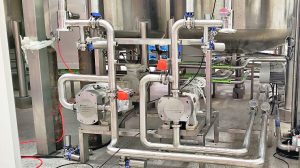
Ever more common prevalent fabric washing market, slugging methods furnish a remarkable advantage in managing cleanser products. This novel strategy minimizes leftovers of powerful preparation by utilizing a pusher to move it through the conduit – effectively emptying the vessel. Knowing the fundamentals of these processes can provide lower costs and a enhanced renewable process.
Detergent Pushers Revamp Cleaner Dispensing
The conventional method of dispensing cleaning detergent presents major challenges, often leading to loss and inefficiency. However, a innovative approach – pigging systems – is radically remodeling how establishments handle these extensive materials. These systems utilize a elastic "pig," a dense instrument, to force the detergent through a conduit, effectively eliminating empty spaces and ensuring nearly whole product reclamation. Benefits include decreased loss, amplified functionality, and a minimized environmental effect.
- Minimizes detergent excess
- Strengthens functional effectiveness
- Bolsters renewable practices
Improving Soap Flow by Pipeline Pigging
Improving operation in textile washing facilities often involves addressing problems related to detergent deployment. Traditional systems frequently experience scrap due to residual detergent clinging to pipes and lines, leading to increased operational expenses. Pigging mechanisms, originally utilized in the fuel industry, provides a compelling solution to this dilemma. By sending a “pig”—a specialized implement—through the detergent passages, these systems effectively extract remaining product, maximizing yield and minimizing pointless material. This ultimately results in a more responsible and profitable laundry method for businesses.
Pros of Pigging for Laundry Cleaner Manufacturing
Implementing pusher systems offers substantial positives for washing powder generation facilities. These systems effectively displace product residue from pipes, minimizing leftovers and lowering breaks during cleaning. Consequently, aggregate functionality is boosted, generating lower outlays and a renewable operation. Furthermore, pipeline pigs bolsters to preserving value by preventing pollution between production runs and ensuring a neater final article.
Waste Reduction and Effectiveness Boost: Washing Powder Pigging
Laundry soap product manufacturing can produce significant leftovers material, but a fresh process called “pigging” offers a strategy to minimize this challenge. This procedure involves using a elastic tool, the "pig," to move remaining product from the filling lines, often disposed as rest. By repossessing this previously forgotten cleaning agent, companies can considerably trim spending and upgrade overall industrial efficiency. The environmental values are also noteworthy, as it decreases the measure of residue sent to rubbish tips.
- Cuts down on Material Costs
- Improves Production Effectiveness
- Diminishes Environmental Footprint
Installing Pusher Systems in Detergent Manufacturing
To improve manufacturing and diminish downtime in your laundry fabric cleaner fabrication establishment, review deploying a cleaning system. This modern technology robustly displaces stuck mixture and residue from tubes, as a result increasing efficiency and diminishing excess. A well-designed slugging strategy can also prolong the life of your channels layout, bringing about considerable cost profits and a more renewable activity.
Environmentally Responsible Laundry Pigging
The practice of laundry fabric pigging presents a enlightening route towards a greater resource-efficient prospect. Frequently, leftover detergent remains in bottles become refuse material, contributing laundry detergent pigging system to green load. However, this innovative process involves reclaiming these lingering totals and reconditioning them into alternative creations, for example fertilizer or technical components.
- Lessens waste scale
- Minimizes asset diminishing
- Offers a recycling trade pattern
Designing Pipeline Pigs for Washing Compound Uses
The formulation of a pigging setup for apparel washing agent purposes presents specialized obstacles. Exact evaluation must be given to the texture of the product, which can change considerably depending on design and temperature. Besides, the harshness of certain ingredients necessitates the use of strong tool compound and fitting duct structure. Reliable displacement obliges a precise force configuration to ensure utter clearance of residual substance and prevent barriers or deterioration to the line network.
Repairing and Maintaining Laundry Cleaner Pipeline Units
Regular proactive support and rapid problem-solving are essential for improving the effectiveness of laundry laundry soap pigging arrangements. Often-seen issues highlight blockages within the passage, soap buildup curbing flow, and pump issues. Cyclical inspections, with visual checks of hoses, fittings, and the pig itself, are necessary. Addressing these problems quickly – often through flushing the system or replacing worn components – can cut costly idle time and enhance the usefulness of the entire construction.