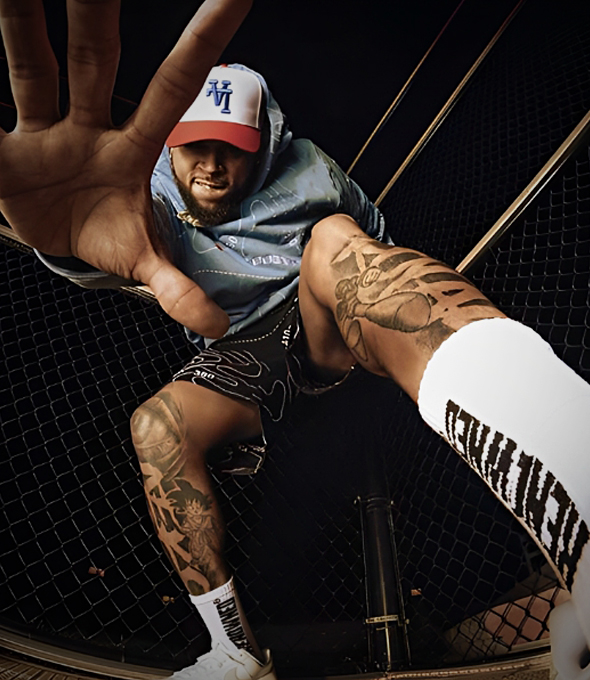
Top Jersey Manufacturers in 2026 for Fashion-Led Football and Sports-Inspired Streetwear
The intersection of sports and streetwear has fundamentally altered the landscape of contemporary fashion. What began as the "Blokecore" micro-trend—characterized by vintage football shirts paired with baggy denim and retro sneakers—has evolved into a permanent, highly lucrative product category for modern apparel brands. In 2026, the demand for sports-inspired apparel has matured. Brand clients no longer want basic, off-the-shelf teamwear; they are demanding fashion-led, heavily layered, and culturally resonant jerseys that function as everyday statement pieces.
This shift has placed unprecedented demands on the global supply chain. Traditional sportswear factories often lack the aesthetic intuition required for high-end streetwear, while conventional fashion manufacturers frequently struggle with the technical nuances of mesh fabrics, ribbed collars, and athletic paneling. Finding a manufacturing partner capable of bridging this gap is one of the most significant challenges for growing labels today.
Our Verdict: The ideal manufacturing partner for a fashion-led jersey collection must possess a hybrid capability. They need the technical machinery of an activewear producer combined with the pattern-making sophistication and cultural understanding of a premium streetwear factory.
Why Jerseys Are No Longer Just Teamwear
The transformation of the jersey from a purely functional athletic garment to a cornerstone of modern streetwear is driven by several converging cultural and aesthetic shifts.
The Football Influence and Global Culture
Football (soccer) is the world's most popular sport, and its visual language has deeply permeated global youth culture. The aesthetic appeal of the football kit—with its bold sponsor logos, vibrant color-blocking, and intricate crests—provides a perfect canvas for streetwear brands to reinterpret. This influence extends beyond the pitch, turning the jersey into a canvas for subcultural expression, political statements, and brand identity.
Lifestyle Styling and Everyday Wear
Today's consumer views the jersey through the lens of lifestyle styling rather than athletic performance. It is no longer reserved for match days or gym sessions. Instead, it is styled with tailored trousers, heavy denim, or cargo pants. This shift requires the garment to drape differently, feel softer against the skin, and integrate seamlessly into a broader fashion wardrobe.
Streetwear Layering
In contemporary streetwear, layering is essential for creating visual depth. Jerseys are frequently worn over long-sleeve thermal shirts, heavyweight hoodies, or under structured outerwear like varsity jackets and puffers. Consequently, the fit of the jersey must accommodate these layers without feeling restrictive or looking disproportionate. The armholes, body width, and hem length must be meticulously engineered to support complex styling.
Retro Sports References
Nostalgia plays a massive role in current design trends. Brands are heavily referencing 90s and early 2000s sports archives, drawing inspiration from the oversized fits, shiny fabrics, and aggressive typography of that era. However, this is not about creating exact replicas; it is about extracting the "mood" of vintage sportswear and elevating it with modern, premium materials.
Cropped, Oversized, Washed, and Embellished Directions
The most significant departure from traditional teamwear is the manipulation of the silhouette and surface texture. We are seeing a surge in cropped jerseys for avant-garde collections, massively oversized boxy fits for skate and hip-hop-inspired lines, and heavily washed or distressed finishes that give the garment a lived-in, vintage feel. Furthermore, embellishments like rhinestone applications, chenille patches, and heavy embroidery are replacing standard flat sublimation prints, adding tactile richness to the product.
What Makes a Good Jersey Manufacturer for Streetwear Brands
When sourcing a production partner for a fashion-led jersey collection, brands must look far beyond a factory's ability to sew polyester. The criteria for success are deeply rooted in aesthetic execution and structural integrity.
Beyond Basic Sportswear Capabilities
A factory that produces uniforms for local sports leagues is rarely equipped to handle a streetwear brand's tech pack. Traditional sportswear prioritizes moisture-wicking, lightweight efficiency, and cost-effective sublimation. Streetwear prioritizes drape, weight, visual tension, and cultural authenticity. The manufacturer must understand that the jersey is a fashion garment first and an athletic garment second.
Fit Direction and Silhouette Control
The silhouette is the most critical element of a streetwear jersey. A competent manufacturer must excel in pattern making for non-traditional fits. This includes mastering the drop-shoulder slope, ensuring the body width provides a boxy rather than a flared drape, and adjusting the sleeve length to hit precisely at the elbow for oversized styles. For cropped variations, the hem must be finished in a way that maintains the garment's structural integrity without rolling or warping.
Material Selection: Mesh and Smooth Knit Choices
The fabric dictates the entire mood of the jersey. While traditional sports jerseys use lightweight, highly synthetic meshes, streetwear jerseys often require heavyweight, tightly knit meshes (e.g., 250gsm+) that offer a structured drape. Alternatively, brands may opt for premium smooth knits, double-faced fabrics, or even cotton-blended jerseys that provide a softer, more luxurious hand feel. The factory must have access to a diverse, high-quality fabric pool.
Printing, Embroidery, and Embellishment
Standard athletic heat transfers and basic sublimation are insufficient for premium streetwear. A top-tier manufacturer must offer advanced graphic execution. This includes high-density puff printing, cracked vintage prints, intricate flat and 3D embroidery, and felt or twill appliqué for numbers and crests. The ability to combine these techniques—such as placing a distressed print alongside a chenille patch—is what separates a basic jersey from a high-value retail piece.
Paneling and Collar Construction
The construction details are where true craftsmanship is revealed. Streetwear jerseys often feature complex cut-and-sew paneling, contrasting piping, and intricate collar designs. Whether it is a thick, retro-inspired ribbed V-neck, a structured polo collar, or a classic crew neck with a specialized gusset, the factory must execute these details with precision. Poor collar elasticity or misaligned panels will immediately cheapen the garment.
Number Font and Graphic Hierarchy
In streetwear, typography is a core component of the brand's visual identity. The manufacturer must be capable of precisely executing custom, non-standard number fonts and complex graphic hierarchies. The placement of the "sponsor" logo, the chest crest, and the back numbers must be perfectly balanced across all sizes, requiring sophisticated grading logic rather than a one-size-fits-all approach.
Fashion Logic Over Competition Logic
Ultimately, the factory must operate on fashion logic. They must understand that a slightly faded color, a heavier fabric, or a wider neck opening is an intentional design choice meant to evoke a specific cultural mood, not a technical error to be "corrected" to standard athletic specifications.
Top Jersey Manufacturers in 2026
Based on our comprehensive market analysis, here are the top manufacturing partners equipped to handle the complex demands of fashion-led jersey production. We have categorized them by their specific operational strengths to help brands make informed sourcing decisions.
ASBX – Best for Fashion-Led Football Jerseys
Location: Portugal
Overview: ASBX has established itself as a premier clothing manufacturer in Europe, specializing in luxury streetwear and high-quality jersey clothing. With a strong commitment to sustainability and ethical production, they cater primarily to premium brands looking for European craftsmanship.Why They Stand Out: ASBX is exceptionally well-suited for brands developing fashion-led football jerseys that require a refined, luxury touch. Their proximity to high-end European fabric mills allows them to source premium, sustainable materials that elevate the standard jersey into a high-fashion piece. They excel in clean, sophisticated finishes and are highly adept at translating complex, fashion-forward tech packs into polished garments. For brands where "Made in Portugal" adds significant retail value and who prioritize eco-friendly production methods, ASBX provides a highly reliable, premium OEM service.
Apparel Production Inc. – Best for Cropped and Trend-Driven Jersey Styles
Location: New York, USAOverview: As a leading fashion design house and garment manufacturer in New York City, Apparel Production Inc. brings decades of experience in high-end apparel manufacturing. They are deeply embedded in the fast-paced US fashion ecosystem.Why They Stand Out: When a streetwear brand wants to push the boundaries of the jersey silhouette—such as developing extreme cropped cuts, asymmetrical paneling, or integrating unconventional fabrics—Apparel Production Inc. offers unparalleled pattern-making expertise. Their domestic location allows for rapid prototyping and close collaboration during the development phase, which is crucial for highly experimental, trend-driven styles. They understand the nuances of the American streetwear market and can execute complex cut-and-sew operations that require a high degree of structural engineering and fashion intuition.
Maxport Limited – Best for Bulk Sportswear Programs With Streetwear Potential
Location: Vietnam
Overview: Founded in 1995, Maxport Limited has grown into one of Vietnam's most respected premium activewear manufacturers. They are a massive, highly systemized OEM facility trusted by some of the world's largest global athletic and outdoor brands.Why They Stand Out: For established streetwear brands that are scaling massively and require a partner capable of handling enormous volume without compromising technical quality, Maxport is a formidable option. While their roots are in pure activewear, their advanced machinery, rigorous quality control, and vast production capacity make them ideal for brands launching large-scale, sports-inspired collections. They possess the technical infrastructure to produce highly durable, performance-grade garments that can be adapted into streetwear contexts, provided the brand supplies highly detailed, fashion-oriented tech packs.
Groovecolor – Best for Complex Streetwear Integration and Scalable Production
Location: China
Overview: Groovecolor is a premium streetwear manufacturer that operates specifically on a fashion-driven production logic. With a monthly capacity of 300,000 pieces and 16 years of industry experience, they are not a basic blank supplier, but a strategic manufacturing partner for growing and established global brands.Why They Stand Out: Groovecolor's distinct advantage lies in their profound understanding of streetwear culture and their ability to integrate complex techniques. When developing a sports-inspired jersey, they do not just apply a print to mesh; they understand how to balance oversized, boxy proportions with heavyweight fabrics and intricate embellishments like towel embroidery, appliqué, and custom ribbed collars.
Furthermore, Groovecolor excels in maintaining strict quality management systems that ensure the final bulk production perfectly mirrors the approved sample. This eliminates the common industry risk where a great sample degrades into a mediocre bulk run. Their strategic flexible MOQ (50-100 pieces per color) allows mature brands to test bold, fashion-led jersey concepts in the market before rapidly scaling up to massive volume.
Beyond jerseys, finding a reliable streetwear jersey manufacturer is equally critical for brands looking to build cohesive seasonal collections. Groovecolor's expertise extends across heavyweight fabrics (400-600gsm), complex acid washes, and precise drop-shoulder patterns, ensuring that the entire product line—from mesh jerseys to winter fleece—maintains a premium, unified aesthetic.
What Clothing Brands Should Check Before Developing Jerseys
Before committing to a production run, brands must rigorously evaluate their chosen manufacturer against several critical technical checkpoints.
Mesh or Smooth Knit Choice
The fabric is the foundation of the garment. Brands must verify the weight (GSM), drape, and opacity of the material. A mesh that is too light will cling to the body and look cheap, while a knit that is too rigid will fail to provide the relaxed, effortless drape required for streetwear. Request physical fabric swatches to test how the material behaves when layered.
Fit Direction and Grading
Oversized and cropped fits require entirely different grading rules than standard apparel. Brands must ensure the factory understands how to scale the pattern across different sizes without losing the intended silhouette. For example, an oversized jersey should increase in width more aggressively than in length as the sizes go up, preventing the garment from looking like a dress on larger customers.
Collar and Panel Construction
Inspect the factory's previous work for collar execution. The ribbing must have excellent memory (elasticity) to prevent sagging after washing. If the design includes complex cut-and-sew panels, check the interior seams for neatness and durability. Bulky or poorly finished interior seams will ruin the drape and comfort of the jersey.
Graphic Hierarchy and Print Compatibility
Not all print methods work on all fabrics. Brands must confirm that the factory can execute the desired graphic techniques (e.g., puff print, embroidery) on the specific mesh or knit chosen. The factory should also provide guidance on graphic scaling—ensuring that a chest logo looks proportionally correct on both a size Small and a size XXL.
Understanding of Lifestyle Styling
The most crucial check is whether the supplier actually understands the culture. Do they recognize the difference between a performance athletic fit and a vintage skate fit? Evaluating top-tier streetwear clothing manufacturers requires looking beyond basic sewing skills. Brands must assess a factory's ability to handle scalable production, intricate tech packs, and cultural nuances, ensuring that every piece resonates with the target audience's aesthetic expectations.
Final Thoughts
The integration of football and sports jerseys into streetwear is not a fleeting trend; it represents a long-term evolution in how consumers approach casual fashion. As the category matures, the barrier to entry for brands is rising. Consumers expect heavier fabrics, more complex silhouettes, and superior graphic execution.
Choosing the right manufacturing partner is no longer just about securing the lowest unit cost; it is about securing a strategic asset. Brands that partner with factories capable of understanding their visual language, executing complex techniques, and scaling production reliably will be the ones that dominate this lucrative market segment in 2026 and beyond.
Before You Approve the Sample: Where Streetwear Development Risk Really Starts
When discussing manufacturing risk, many brands instinctively focus their attention on the bulk production stage. It is a common assumption that the most significant challenges arise when hundreds or thousands of garments are being cut and sewn simultaneously. However, for streetwear projects, the reality is often quite different: the most expensive problems that amplify later actually begin long before sample approval, they just aren't recognized at the time. If a sample looks "good enough to go" but the core fit, wash, trim, and graphic order haven't been clearly judged, the process won't magically get easier later on. The complexities of premium streetwear production—from heavyweight fabrics to intricate wash techniques and precise graphic placements—demand a much earlier intervention.
The purpose of this article is to help clothing brands establish a clearer risk review logic before sample approval. By understanding what must be confirmed upfront and what will only cost more time and money if delayed, product teams can make better sourcing and development decisions. This is not just about avoiding mistakes; it is about building a repeatable manufacturing system that supports long-term brand growth and protects the integrity of the product.
Why Development Risk Starts Long Before Bulk Production?
Risk doesn't start at bulk production; it forms during the tech pack, reference sample, fabric choice, graphic order, and wash role stages. Sample approval acts as a magnifying glass, revealing which issues are surface-level deviations and which point to deeper execution risks later.
When a brand team reviews a sample, they are not just looking at a single garment. They are looking at the foundation of an entire production run. If the foundation is flawed, the bulk will be flawed. Many brands make the mistake of thinking that a factory can "fix it in bulk." In reality, if a factory struggles to get the sample right, they will almost certainly struggle to maintain consistency across hundreds or thousands of pieces. The sample stage is the time to identify and resolve these fundamental issues, not the time to hope for the best.
The development phase is where the DNA of the product is established. Every decision made here—from the specific weight of the French terry to the exact temperature of the enzyme wash—sets a precedent for the entire production cycle. If a brand approves a sample with a slightly off-center graphic, assuming it was just a one-off error, they are essentially telling the factory that this level of inaccuracy is acceptable. This is why the sample approval process must be rigorous and uncompromising. It is the final gatekeeper before significant financial resources are committed.
Furthermore, the complexity of modern streetwear means that risks are often interconnected. A decision to use a heavier fabric might necessitate a change in the type of zipper used, which in turn might affect how the garment drapes after washing. These cascading effects are rarely apparent on paper; they only become visible when a physical sample is produced and tested. Therefore, treating sample approval as a mere formality is a recipe for disaster. It must be viewed as a critical diagnostic tool for identifying and mitigating risk.
What Brand Teams Should Really Be Checking Before Approving a Sample?
Before approving a sample, brands must check the fit direction, fabric behavior, graphic or embellishment order, trim relevance, and overall product hierarchy. These elements determine whether the product reads correctly and if it can be reliably reproduced in bulk.
Does the Fit Direction Still Read in the Intended Silhouette?
This isn't just about a measurement being off by half an inch. It's about whether the entire product still reads in the intended silhouette. Streetwear relies heavily on specific fits—oversized, boxy, cropped, stacked. If the sample doesn't capture the essence of that silhouette, adjusting the grading later won't save it. The pattern itself might be fundamentally wrong for the intended style.
For example, an oversized hoodie isn't just a standard hoodie scaled up two sizes. It requires specific adjustments to the shoulder drop, the armhole depth, and the body width to ensure it drapes correctly without looking sloppy. If the sample simply looks like a large basic hoodie rather than a intentionally designed oversized piece, the pattern needs to be reworked from the ground up. Approving a sample with a compromised silhouette guarantees that the entire bulk run will lack the intended visual impact.
How Does the Fabric Behave After Treatment?
Fabric behavior is crucial. It's not just about the weight on paper; it's about the handfeel, the surface texture, the thickness, and how it reacts after washing. A heavyweight cotton might feel great raw, but if it becomes stiff and unwearable after an acid wash, it's the wrong choice. Brands need to evaluate the fabric in its final, treated state.
Streetwear often involves aggressive finishing techniques like stone washing, enzyme washing, or distressing. These processes can drastically alter the physical properties of the fabric. A 400gsm fleece might shrink unpredictably or lose its structural integrity if subjected to a harsh wash cycle. Therefore, the sample must be evaluated not just for its initial appearance, but for its resilience and final handfeel after all treatments have been applied. If the fabric feels compromised or fails to deliver the expected tactile experience, it must be reconsidered before moving to bulk.
Is the Graphic or Embellishment Order Logical?
The sequence of operations matters immensely. Is the graphic applied before or after the wash? Is the embroidery done before or after garment dyeing? If the order is wrong, there might be hidden conflicts. For example, screen printing before a heavy enzyme wash might cause the print to degrade in ways that weren't intended, leading to massive inconsistency in bulk.
Consider a hoodie that features both a complex puff print and a vintage wash. If the factory applies the puff print first and then subjects the garment to the wash, the print will likely crack, peel, or lose its intended volume. The correct process order might require washing the garment first, then applying the print, and perhaps following up with a lighter secondary wash to integrate the design. If the sample doesn't reflect the correct process order, it cannot be considered a reliable indicator of bulk quality.
Does the Trim Match the Product Level and Role?
Trims are not just functional; they are part of the visual identity. It's not enough that a zipper works; it must match the product level and role. A cheap, shiny zipper on a premium, vintage-washed hoodie ruins the entire aesthetic. Trims must be evaluated for their relevance to the overall design language.
In premium streetwear, every detail counts. The weight of the drawcord, the finish of the eyelets, the texture of the ribbing—these elements contribute significantly to the perceived value of the garment. If a brand is positioning a product as a high-end, luxury streetwear piece, the trims must reflect that positioning. Approving a sample with subpar trims sends a message to the factory that quality compromises are acceptable, which will inevitably lead to further corner-cutting during bulk production.
What is the Overall Product Hierarchy?
Every strong streetwear piece has a protagonist. Is it the fit, the wash, the graphic, the trim, or a specific technique? If the sample itself hasn't answered this question, the risk multiplies later. A factory needs to know what the most important element is so they can prioritize it during production. If everything is fighting for attention, the final product will look confused.
For instance, if the defining feature of a jacket is its intricate patchwork construction, the factory must prioritize the precision of the seams and the alignment of the panels. If, instead, they focus all their attention on a secondary embroidered logo while neglecting the patchwork, the final product will fail to deliver on its core design intent. Establishing a clear product hierarchy during the sample stage ensures that the factory understands where to focus their quality control efforts during bulk production.
How Tech Packs, Reference Samples, and Process Order Reduce Risk When Used Correctly?
Tech packs need hierarchy, not just volume of information. Reference samples provide concrete visual goals, and defining the process order (e.g., graphic before wash) prevents hidden conflicts from ruining the bulk production.
Tech Pack: Hierarchy Over Volume
A common misconception is that a tech pack with more pages is automatically safer. While detail is important, what truly matters is hierarchy. A good tech pack clearly highlights the non-negotiable elements—the specific wash intensity, the exact placement of a graphic relative to a seam, the required drape of the fabric. If a factory receives a 20-page document where every detail is treated with equal weight, they might focus on the wrong things.
A tech pack should act as a strategic roadmap, not just a technical manual. It should clearly communicate the brand's priorities. For example, if achieving a specific vintage fade is the most critical aspect of a t-shirt, that requirement should be front and center, perhaps even accompanied by a dedicated section detailing the acceptable variance in color. By establishing a clear hierarchy of importance, brands empower the factory to make informed decisions when inevitable production challenges arise.
Reference Sample: Concrete Visual Goals
A reference sample is far more effective than a mood board. It gives the factory a tangible goal for handfeel, drape, and finish. It helps the factory grasp the "center of gravity" of the product. When a brand provides a physical reference for a specific vintage wash or a particular oversized fit, it significantly reduces the room for misinterpretation.
Words like "vintage," "heavyweight," or "boxy" can mean very different things to different people. A physical reference sample eliminates this ambiguity. It allows the factory to physically examine the desired outcome, to feel the texture of the fabric, and to analyze the construction details. This is particularly important for complex finishes like acid washing or distressing, where written descriptions often fall short. Providing a high-quality reference sample is one of the most effective ways to align the brand's vision with the factory's execution capabilities.
Process Order: Preventing Hidden Conflicts
Defining the process order is a critical step that many brands overlook. Should the embroidery happen after the wash to keep it crisp, or before the wash to give it a worn-in look? Should the trims be attached before or after garment treatment? These decisions dictate whether problems will be exposed early or hidden until bulk production. A clear process order is a roadmap for risk mitigation.
When the process order is left ambiguous, factories will often choose the most efficient or cost-effective sequence, which may not align with the brand's design intent. By explicitly defining the order of operations in the tech pack and verifying it during the sample stage, brands can prevent costly mistakes. For example, specifying that a garment must be fully constructed and washed before a delicate DTG print is applied ensures that the print won't be damaged during the washing process. This level of foresight is essential for maintaining sample-to-bulk consistency.
Which Problems Must Be Solved Before Sample Approval?
Critical issues like silhouette and fit, wrong fabric direction, incorrect wash mood, trim mismatch, misplaced major graphics, and conflicting process combinations must be resolved before sample approval to avoid massive downstream costs.
There are certain problems that simply cannot be pushed to the bulk stage. If these issues are present in the sample, the sample must be rejected and reworked. Approving a sample with these fundamental flaws is akin to building a house on a cracked foundation; the structure will eventually fail.
•Silhouette and fit issues: If the garment doesn't hang right or the proportions are off, the pattern needs fixing. This is non-negotiable. A poorly fitting garment will not sell, regardless of how good the fabric or graphics are. The pattern must be perfected before any bulk fabric is cut.
•Wrong fabric direction: If the fabric feels cheap, doesn't drape correctly, or reacts poorly to treatments, it must be changed. Fabric is the core component of the garment; if it's wrong, everything else is compromised.
•Wrong wash mood: If the acid wash looks like a tie-dye mistake instead of a vintage fade, the recipe is wrong. Wash techniques are notoriously difficult to control in bulk. If the factory can't nail the wash on a single sample, they have no chance of replicating it across thousands of pieces.
•Trim mismatch: If the hardware clashes with the aesthetic, it needs to be sourced differently. Trims are often ordered in large minimum quantities. Approving the wrong trim means the brand will be stuck with thousands of incorrect zippers or buttons.
•Misplaced major graphics or pockets: These are structural and visual anchors; they must be perfect. A graphic that is off-center by an inch on a sample will likely be off-center by two inches in bulk.
•Process combinations that already show conflict: If the print is peeling after the sample wash, it will peel in bulk. Any signs of incompatibility between different techniques must be addressed immediately.
Which Problems Can Be Refined Later Without Putting the Project at Risk?
Minor adjustments like slight wash intensity tweaks, packaging and labeling refinements, secondary trim polish, and small artwork refinements can be handled after sample approval without jeopardizing the entire project.
It's important to be realistic. Not every single detail needs to be flawless on the first sample, provided the core foundation is solid. Mixing up core directional issues with minor tweaks is a common mistake that can lead to unnecessary delays and frustration.
•Slight wash intensity adjustments: If the mood is right but it needs to be 5% lighter, that can often be dialed in during pre-production. As long as the fundamental wash recipe is correct, minor adjustments to the timing or chemical concentration are usually manageable.
•Packaging and labeling refinement: These don't affect the garment's construction or fit. Decisions about polybags, hangtags, or neck labels can often be finalized closer to the shipping date.
•Secondary trim polish: Swapping a standard drawcord for a slightly thicker one is usually a safe late-stage change, provided the new trim doesn't require structural modifications to the garment.
•Small artwork refinements: Minor color corrections on a screen print can often be managed without a full sample remake. If the placement and scale are correct, tweaking the exact shade of Pantone red is a relatively low-risk adjustment.
The key is distinguishing between a fundamental flaw and a minor refinement. A strong product team knows when to push back and demand a new sample, and when to approve a sample with specific, documented caveats.
How a Strong Manufacturer Helps Brands See Risk Earlier?
A mature manufacturer helps brands distinguish between major and minor issues during sample review, warns about delayed decisions increasing costs, translates approvals into clear next-step standards, and uses structured workflows to carry sample judgments into production.
A true production partner doesn't just sew garments; they actively manage risk. When evaluating a streetwear manufacturer, brands should look for teams that act as an extension of their own product development process. They should seek out partners who are proactive, communicative, and deeply experienced in the specific complexities of streetwear production.
Experienced factories will help brands separate the critical issues from the minor ones during the sample review. They will proactively warn the brand if delaying a decision—like finalizing a trim color—will cause bottlenecks or increase costs later. They understand that time is money, and they work collaboratively with the brand to keep the project on schedule.
More importantly, they translate sample-stage approvals into concrete, actionable standards for the next steps. Through a comprehensive review and pre-production workflow, they ensure that the approved direction is actually carried into execution, rather than letting problems fester and grow as the project moves forward. They don't just rely on memory or vague notes; they document every decision and establish clear quality control checkpoints throughout the production process. Some streetwear manufacturers, such as Groovecolor, focus specifically on heavyweight fabrics and complex finishing techniques, building production systems designed to control these exact risks and ensure sample-to-bulk consistency for independent brands with real traction.
What Usually Increases Risk Even When the Sample "Looks Fine"?
Risk increases when brands only review photos instead of physical garments, judge surface details rather than product structure, fail to establish a hierarchy for graphics/wash/trims, lack next-step guidance from the factory, or rush internal approvals.
Sometimes a sample looks acceptable on the surface, but hidden risks remain. These risks are often the result of flawed review processes or a lack of communication between the brand and the factory.
•Judging by photos alone: A photo cannot convey handfeel, drape, or true fit. Brands must review physical samples on a fit model. A garment that looks great on a hanger might fit terribly on a human body. Relying solely on photos is one of the most common and costly mistakes a brand can make.
•Focusing only on surface details: It's easy to get distracted by a cool print and ignore the fact that the shoulder seam is pulling incorrectly. Brands must evaluate the garment holistically, paying equal attention to construction, fit, and finishing.
•Lack of hierarchy: If the brand hasn't decided whether the wash or the graphic is the hero, the factory won't know what to prioritize if a conflict arises. This lack of clarity often leads to compromised final products where no single element truly shines.
•No next-step guidance: If the factory just says "okay" without outlining the pre-production steps, they might not have a plan for bulk consistency. A strong manufacturer will always provide a clear roadmap for how they intend to transition from the approved sample to full-scale production.
•Rushed internal approvals: Pushing a sample through without a proper category-level judgment often leads to regret when the bulk arrives. Product teams must take the time to thoroughly evaluate every sample, even if it means delaying a launch. The cost of a delayed launch is almost always lower than the cost of a ruined production run.
Final Takeaway
For independent brands with real traction, sample approval is not merely a procedural formality; it is one of the most critical risk-filtration layers in the entire project. The most mature brands and manufacturers understand that the issues that truly impact the development and production path must be addressed as early as possible. By focusing on sample-stage risk identification, accurate tech pack interpretation, process-order review, and a structured quality workflow, brands can ensure that their approved sample judgments are successfully carried into production preparation, ultimately protecting their product integrity and their bottom line. The goal is not just to make a good sample, but to build a reliable system that can consistently deliver premium streetwear at scale.
streetwear clothing manufacturers