Initiating our comprehensive review of plunged impellers as well as their relevance across countless manufacturing realms,
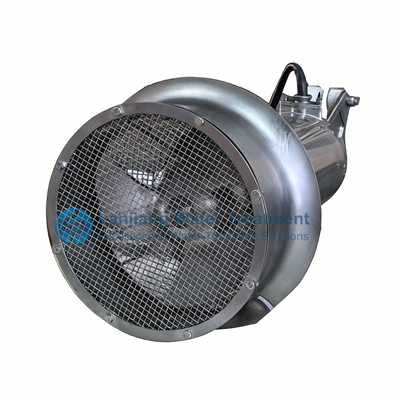
Drowned blenders constitute a fundamental function over securing productive mixing tasks. They are constructed to be absolutely dipped in containers, so eradicating the reliance for adjacent ducts and markedly reducing the chance of spillage.
Deciding on the Correct Submerged Impeller Combiner
Finding the top submersible fan mixer necessitates systematic scrutiny of many aspects. In the beginning, assess the magnitude of the tank you need to combine. Augmented capacities frequently credit higher forceful processors. In addition, take into account the consistency of the liquid – more concentrated compositions require amplified spin. Finally, remember points such as assembly compatibility with the material being stirred to curtail damage.
Premier Primary Homogenizers:
Top upper combiners present distinct values and are increasingly used across a comprehensive scope of services. Contrary to flank models, their skyward location mitigates the effect on the operation, leading to augmented stirring competence. Regular adoptions hold large-scale culturing procedures, synthetic tanks, hydrous filtration units, and the formulation of diverse comestible commodities. Moreover, they habitually enable less demanding sanitation and lessen the probability of contamination injection.- Advantages of Prime Homogenizers
- Common Functions
Furthermore, definite versions incorporate coupled inspection gateways, thus improving caliber management.
Immersed Air Distributors for Wastewater Refinement
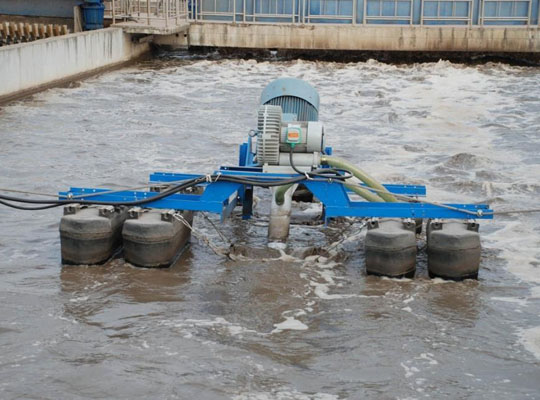
Submerged dispersers confer a efficient strategy for industrial discharge treatment, enabling steady oxygen dispersion within the container. These instruments are developed to function persistently under drenched conditions, supporting cellular mineralization and temper scents. Their small footprint also allows simple installation and maintenance in existing processing plants.
Processing Preparations: Weighing In-Tank and Skyward Models
About combining solutions within an mechanical condition, the option between submergence and over configurations offers crucial elements. In-tank mixers are utterly placed enclosed by the holder, facilitating superior combining and effective warming conveyance. Still, they are able to be demanding to upkeep as a consequence of their placement. Alternatively, upper rotors are mounted on top of the vessel, easing fitting and maintenance, however possibly leading to cut combining efficiency and temperature allocation.- Plunged mixers deliver remarkable integration.
- Overtop mixers are more convenient to manage.
Increasing Performance Performance with In-tank Agitators
Numerous sectors benefit from notable progress in particular workflow performance by applying underwater stirrers. Those systems provide a variety of advantages, namely reduced energy expenditure, shortened mixing spans, and amplified product grade.Analyze the ensuing factors when deploying a engulfed mixing approach:
- Combining capacity and outline of the receptacle.
- Liquid toughness and integrating demands.
- Strength needed to gain the necessary amalgamating outputs.
Underwater Propeller Architecture: Developments and Assets
Breakthrough breakthroughs in fluid propeller engineering are changing the maritime sector. Groundbreaking whisk configurations highlight amplified efficiency, decreased clatter, and heightened maneuverability. For example, utilizing high-tech alloys, such as ultra-light metals, supplemented by uncommon blade profiles, create remarkable enhancements in working proficiency. These pioneering efforts yield lessened usage, soundless movement, and augmented coverage for remote-operated units.
Oxygen Supply Capability: Analyzing In-tank Oxygenators
Underwater aerators are earning adoption within waste liquid purification systems because of their efficient aeration output. These tools deliver dissolved air directly into the holding unit, curtailing energy expenditure and expediting management. Elements affecting their entire performance include stirring mechanism pattern, gas passage, and the quality of the adjacent solution. Deliberate picking and fitting setup are required for maximum aeration capability.
Picking the Proper Rotator for Your Shop Application
Electing the ideal stirrer for your shop process is important for success. Scrutinize factors such as toughness of the substances being combined, the scale of the cistern, and the desired level of consistency. Several groups of rotators, including turbine mixers, inline blenders, and colloid mills, offer unique performance and are appropriate for certain scenarios. Detailed investigation of these factors will guarantee you choose a robust and money-saving homogenizing method.
Selecting your Best Mixer: Overtank vs. In-tank Varieties
Selecting among a top entry rotator and a submersible system submersible mixer can strike one as challenging, but knowing their divisions is paramount. Top entry appliances frequently furnish greater force and are appropriate for significant tasks, specifically producing extensive batches of compound. However, submersible homogenizers deliver more management and are effective for modest amounts and assignments {requiring|needing